

A leisure battery is an indispensable component for those who enjoy camping with their caravan or motorhome, ensuring a seamless holiday experience. Unlike the batteries designed to start a vehicle, which deliver a high current surge to ignite the engine and are promptly recharged by the vehicle's alternator, leisure batteries are crafted to supply a consistent flow of current over extended periods. These batteries are crucial for powering the 12V appliances within a caravan or motorhome, such as TVs, ovens, lights, and kettles, turning the vehicle into a comfortable home away from home.
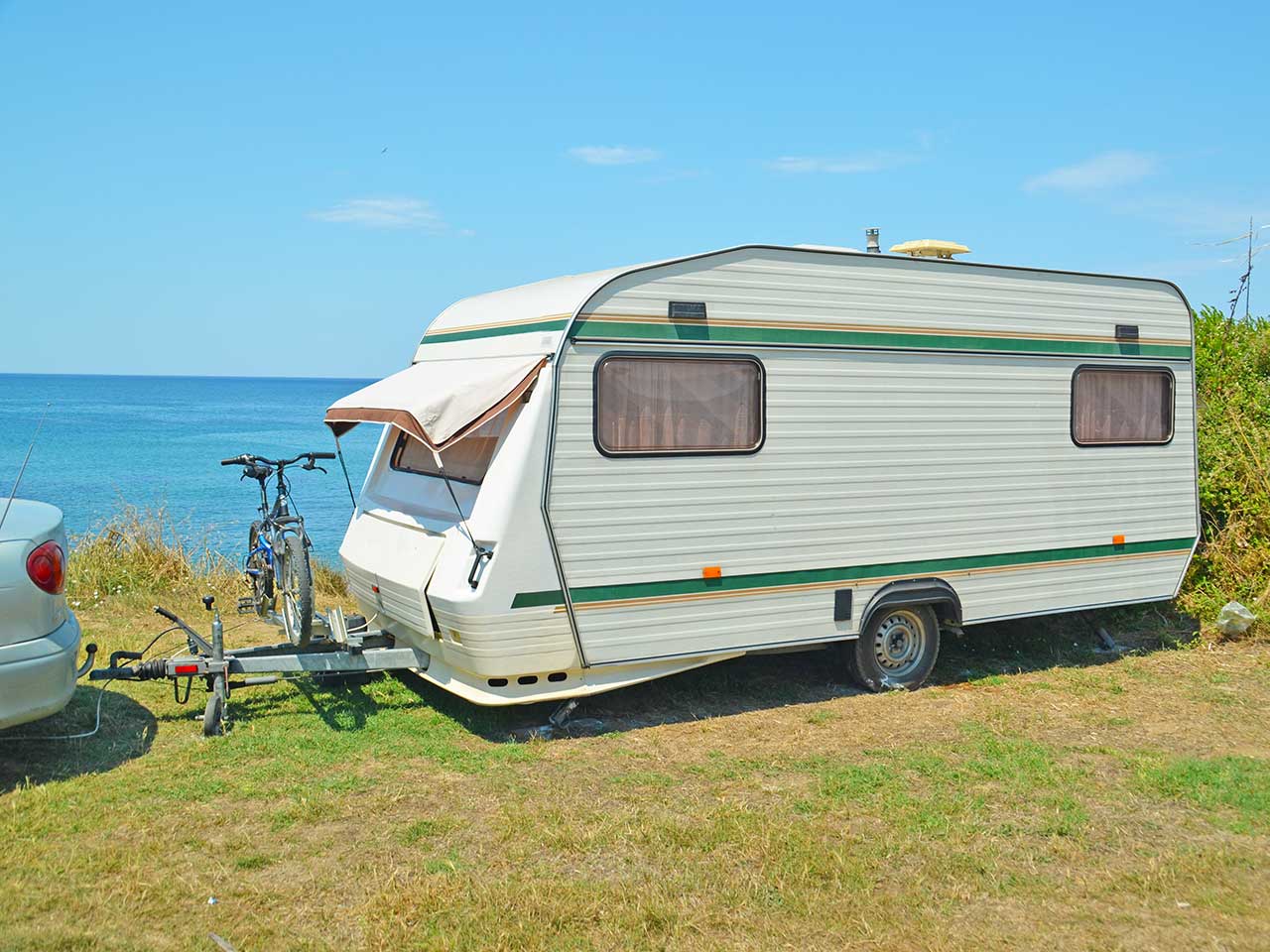
Most new motorhomes are equipped with a leisure battery as standard equipment, but this is not typically the case with new caravans, requiring owners to purchase one separately. The necessity for a leisure battery arises from its ability to endure 'deep cycling,' a process involving significant discharging followed by recharging. This characteristic is essential for maintaining the prolonged use of electrical appliances during trips. Leisure batteries share this deep cycling capability with other battery types used in various applications, such as golf buggies, disability wheelchairs, warehouse vehicles, and uninterruptible power supplies (UPS) that support critical systems like servers and emergency medical facilities.
With advancements in technology, the availability and variety of leisure batteries have expanded, including the introduction of lithium batteries alongside traditional lead-acid types. Each is designed for specific applications, reflecting the evolving needs of caravan and motorhome users. It's vital for users to recognize the importance of timely recharging, especially when the battery's charge drops to 50% of its capacity, to prevent permanent damage and ensure longevity.
Selecting and maintaining the right leisure battery is fundamental for anyone looking to ensure their mobile accommodation is powered effectively, making every holiday stress-free and enjoyable. Whether opting for a lead-acid or lithium variant, understanding the distinct requirements and capabilities of these batteries will help in making an informed choice, enhancing the overall camping experience.
Types of conventional lead-acid batteries:
When navigating the diverse world of leisure batteries, it's crucial to understand the various types available, each with its own set of benefits and limitations. Here's an overview of the main types you'll encounter:Standard Starter Batteries: Also known as cranking batteries or calcium batteries, these lead-acid batteries are designed to deliver a substantial amount of current for brief periods, primarily for starting vehicles. Their primary function is to provide the initial power required to start the engine.
Standard Leisure Batteries: Referred to by several names, including auxiliary and deep cycling batteries, these lead-acid variants are engineered for less frequent charging. They're ideal for applications where the battery is drained and recharged repeatedly, unlike starter batteries that require constant recharging.
Semi Traction and Traction Batteries: With thicker lead plates compared to standard starter batteries, semi traction batteries offer enhanced durability for more demanding applications, though not as intensive as leisure batteries. Traction batteries, found in electric vehicles, serve as the primary power source for propulsion, applicable in devices from jet skis to quad bikes.
Lithium Iron Phosphate (LiFePO4) Batteries: These represent a leap forward in battery technology, offering significant advantages in terms of performance, safety, and maintenance. Known for their long life, temperature protection, and overcharge protection, they come with extended warranties, making them a favorite among leisure battery users.
Gel Batteries: These sealed batteries eliminate the risk of toxic spills, making them safer than traditional lead-acid batteries. However, they're susceptible to damage from overcharging, which can irreversibly impair their performance, and tend to be more expensive.
Absorbent Glass Mat (AGM) Batteries: AGM batteries are praised for their safety and environmental friendliness. Their sealed nature allows for versatile installation options, though, like gel batteries, they must be carefully managed to avoid overcharging risks.
Lead Crystal Batteries: A newer technology, similar to lithium and AGM batteries, offering quick recharging and low maintenance. They also come in a sealed format, which requires careful charging to prevent overcharging.
Maintenance-Free Batteries: Despite their name, these batteries do require some maintenance. The term "maintenance-free" refers to the absence of a need for electrolyte level checks and top-ups found in conventional batteries, but they still demand attention to ensure longevity.
Battery versatility
Batteries are designed with specific roles in mind, which influences their construction and performance capabilities. For example, the typical car battery, optimized for starting engines, does not fare well in scenarios requiring sustained 12V supply, such as in caravans or motorhomes. This inadequacy stems from the thinner lead plates and distinct separators within these batteries, rendering them unsuitable for repeated cycles of heavy discharge and recharge. On the other hand, leisure batteries, which are designed to power 12V appliances in such recreational vehicles, also have the crucial role of stabilizing the electricity supply from the built-in charger. This dual functionality underscores why it's ineffective to run 12V accessories directly from a charger without the mediation of a battery.Digging into the structure of these batteries, we find that each compartment contributes a nominal 2.12V, culminating in approximately 12.7V for a fully charged unit. Within these compartments, positive and negative lead plates, structured in a grid to accommodate lead oxide paste, are encased in microporous perforated plastic envelopes. These envelopes, especially in leisure batteries, may also incorporate glass fibre sheets to bolster the attachment of the lead oxide paste to the grid, countering detachment risks during continuous recharging. The presence of diluted sulphuric acid as the electrolyte and a gas outlet for hydrogen release during charging are additional critical features. Leisure batteries, characterized by their thicker plates and more sophisticated separators, are notably heavier and pricier, reflecting the greater quantity of lead and the complexity of their design.
However, there are advanced battery types, like AGM (Absorbent Glass Mat) batteries, that exhibit greater versatility, capable of efficiently providing both starting power and accessory support. This adaptability makes AGM batteries a preferable option for applications demanding both high discharge and recharge cycles and sustained power supply.
Safety
To ensure the safe handling and maintenance of leisure batteries, particularly lead-acid types, it is crucial to adopt a series of precautionary measures to prevent injury and damage. Here are consolidated and slightly rephrased tips for optimal safety:When dealing with leisure batteries, wearing protective clothing is essential. This includes eye protection and gloves to safeguard against the corrosive effects of battery acid, which can also damage clothing and flooring. Always inspect the battery cells carefully, and handle the electrolyte with care, especially when checking levels or topping up a cell.
Ensure that the battery's gas escape vent is properly fitted. This is critical for safely discharging the mix of hydrogen and oxygen gases produced at high charging levels, which can be explosive if ignited. The discharge can be managed through a plastic tube leading outside or via a ventilated battery locker door, to prevent the accumulation of gases that could trigger alarms, such as carbon monoxide detectors.
Avoid creating sparks or short circuits at all costs. Never short-circuit the battery's terminals as this could lead to fires, potentially causing significant damage to your motorhome or caravan. This also means ensuring that all connections, including those to the battery's terminals, are secure and tight. Use only high-quality clamps for connections; temporary solutions like crocodile clips are not recommended due to their potential to cause sparks, which can ignite battery gases.
Keep the battery away from any sources of naked flame or ignition, such as gas hobs or stoves, as the built-up gases inside a battery are highly explosive. Furthermore, while a 12V battery is unlikely to cause electrocution, mishandling can still result in a fire hazard.
Purchasing guidance
When selecting a leisure battery, navigating the array of types, sizes, prices, and performance metrics can indeed be daunting. However, understanding a few fundamental principles can significantly streamline the decision process. Heavier batteries typically contain more lead, enabling them to store a larger charge capacity. This aspect is crucial for applications requiring deep cycling, such as when using caravans or motorhomes away from electrical hook-ups.To address the variations in quality and performance among leisure batteries, the leisure industry, alongside The National Caravan Council (NCC), initiated the Leisure Battery Verification Scheme. This program categorizes batteries into three distinct groups based on their storage capacity and intended application, facilitating easier selection for consumers. The batteries are marked with an approval logo, simplifying identification.
Category A batteries are suited for individuals often venturing away from electrical hook-ups, providing higher storage capacity to power devices over extended periods.
Category B batteries cater to those who mostly stay at equipped sites but require a larger capacity for high-demand devices, like motor movers, though for shorter durations.
Category C batteries are designed for users needing a lower capacity to run basic equipment during short stints away from hook-ups.
Determining the right leisure battery involves assessing your power needs and how you intend to use the battery. For brief visits to well-equipped sites, a lighter, less expensive battery may suffice, as it primarily functions to stabilize the 12V output from your vehicle's built-in charger. For more remote adventures or long stays without access to recharging facilities, a high-quality, high-capacity battery becomes indispensable.
Additionally, it's important to consider the battery's watt-hour (Wh) or ampere-hour (Ah) ratings, which indicate its full charge power delivery capacity. Estimating your power needs based on the appliances you'll use helps in selecting a battery with adequate capacity. It's recommended to add a 20% buffer to your calculated Wh requirement to ensure you have sufficient power.
Battery care
To ensure your leisure battery operates at peak performance:Coat the terminals of the battery lightly with a layer of petroleum jelly or a similar grease product, like Vaseline, to prevent corrosion.
Opt for high-quality battery clamps. If you use clamps that are spring-loaded, check regularly to ensure the steel contacts do not begin to corrode.
For batteries that are not sealed, it's important to routinely check that the electrolyte level adequately covers the lead plates within. When doing this, make sure there is no exposure to open flames or cigarettes, and wearing protective eyewear is recommended. Also, verify the proper connection of the battery's gas relief tube if one is present.
Battery producers usually recommend recharging the battery once its capacity dips below 50% to avoid damaging it by depleting its charge completely. Specific guidelines on recharging are provided in the battery charging manual.
For those instances where a caravan or motorhome will not be in use for an extended period, it's crucial to ensure the leisure battery remains charged. A trickle charger is commonly employed for this purpose. Alternatively, the battery may be removed and placed on a bench for maintenance, though this action could potentially deactivate any electrically operated security systems.
Keep it charged
Maintaining your leisure battery in optimal condition is crucial to ensuring its longevity and reliability. To avoid the irreversible damage known as sulphation, characterized by a white deposit on the battery's plates, never leave your battery discharged for extended periods. Prompt recharging after use is essential to prevent this condition, which can render a battery useless.When checking the charge level of your battery, accurate measurement is best achieved by using a digital meter across the battery`s terminals. For the most precise reading, ensure all electrical appliances are turned off. However, if disconnecting devices like clocks, alarm systems, or fridge controls is impractical, be aware that these will slightly affect the accuracy of your reading. Furthermore, if the battery has recently been charged or used in a vehicle, allow it to rest for at least four hours before taking a voltage measurement to ensure the reading stabilizes.
It's important to remember that a 12V leisure battery reading actually indicates a discharged state, despite the nominal designation of batteries and accessories as "12V". To maintain your battery effectively:
- Regularly check the battery`s state of charge at least once a month.
- Recharge the battery promptly after use.
- For thorough charging, remove the battery and use a leisure charger every six weeks.
- Use only distilled or de-ionised water for topping up to avoid contaminating the electrolyte with minerals found in tap water.
- Be mindful that a deeply discharged battery is at risk of freezing.
- Always match the charger with the specific type of leisure battery you own, whether it's standard, low maintenance, gel, or AGM, to ensure compatibility and prevent damage.
Factors affecting battery performance
When considering the performance of batteries, especially in scenarios like powering caravans or motorhomes for off-grid living or during winter sports activities, several critical factors come into play. Temperature, battery age, and the rate of energy consumption significantly influence a battery's capacity and, consequently, its effectiveness in meeting your energy needs.Temperature exerts a noticeable impact on battery performance. A battery's capacity, typically measured in Amp hours (Ah), assumes an ambient temperature of 25°C. However, in many regions, especially in the UK, temperatures often fall well below this ideal. For each degree below 25°C, a battery's capacity decreases by approximately 1%. For instance, a battery rated at 60Ah, when subjected to 15°C, effectively operates as a 54Ah battery due to a 10% reduction in capacity. This reduction becomes particularly critical during cold spells, where the demand for energy-for lighting, heating, and entertainment-increases, yet the battery's ability to supply this demand diminishes.
Moreover, the physical location of the battery can either mitigate or exacerbate this temperature effect. Batteries housed inside the living area of a caravan or motorhome may benefit from the ambient warmth, thus performing closer to their rated capacity. Conversely, batteries mounted externally suffer from the colder temperatures, leading to a decreased performance.
Another vital factor is the age of the battery. Over time, a battery's ability to hold charge diminishes, necessitating more frequent recharges. Typically, a battery's lifespan doesn't extend much beyond five years under normal conditions.
Additionally, the rate at which a battery is discharged plays a crucial role in its overall performance. Using multiple appliances simultaneously increases the discharge rate, which not only reduces the time a battery can provide power but also diminishes its capacity more significantly than one might expect. The faster a battery is drained, the less overall capacity it will have to offer.
When selecting a battery, understanding your energy needs is paramount. This involves calculating the storage capacity required to support your usage, considering both the energy consumed and the energy replenished through charging. A simple formula to estimate the necessary battery capacity is: (Ah required per 24hrs - Ah recharged per 24hrs) x number of days away = Total usable Ah required. The choice between lead-acid and lithium batteries also factors into this calculation, with each type offering different capacities and discharge characteristics suitable for varying demands and recharging opportunities.
Ultimately, ensuring you have adequate storage capacity involves a careful assessment of your energy consumption patterns, the environmental conditions you'll encounter, and the specific characteristics of the battery technology you choose. This approach helps in making an informed decision that balances your needs with the capabilities of the battery, ensuring reliability and efficiency in your energy supply.
FAQs about Leisure Battery
How to charge a leisure battery?
1. Choose the Right Charger: Ensure you have a battery charger that's suitable for your leisure battery type (e.g., AGM, gel, or lead-acid). It should match the battery's voltage (usually 12V) and be capable of charging at the correct rate.2. Connect the Charger: With the battery and charger turned off, connect the charger's red clamp to the battery's positive (+) terminal and the black clamp to the negative (-) terminal.
3. Turn on the Charger: Plug the charger into a power outlet and turn it on. Set it to the correct settings for your battery type if it has multiple modes.
4. Monitor the Charging Process: Keep an eye on the charging process. Some chargers have indicators or screens that show when the battery is fully charged. Charging time can vary depending on the battery's capacity and the charger's rate.
5. Disconnect the Charger: Once the battery is fully charged, turn off the charger and unplug it from the power outlet. Then, remove the clamps from the battery terminals, starting with the black clamp (negative) followed by the red clamp (positive).
6. Check the Battery: After charging, check the battery's voltage with a voltmeter to ensure it's fully charged. A fully charged 12V battery should read around 12.6 to 12.8 volts.
Always refer to the battery and charger manuals for specific instructions and safety precautions.
How do you test a leisure battery?
Testing a leisure battery, often used in caravans, boats, and motorhomes, involves a few straightforward steps to ensure it's holding charge effectively. Here's how you can do it:Visual Inspection: Start by inspecting the battery for any obvious signs of damage or corrosion on the terminals. Make sure the connections are clean and tight.
Voltage Test: Use a multimeter to measure the battery's voltage. A fully charged leisure battery should show around 12.6 volts or more when not connected to any load. If it's under 12.4 volts, it may need recharging.
Load Test: This involves applying a specific load (often a half the battery's CCA rating for 15 seconds) and then checking the voltage drop. It's best done with a load tester. If the voltage drops below 9.6 volts during the test, the battery might be failing.
Check Specific Gravity (if applicable): For batteries with removable caps, use a hydrometer to measure the specific gravity of each cell. The readings should be between 1.250 and 1.280 at full charge. Differences between cells should not be more than 0.05.
Check State of Charge with a Smart Charger: If you have a smart charger, it can also test the battery by attempting to charge it and monitoring its ability to hold charge.
If the battery fails any of these tests, it might need to be charged or, if it's significantly degraded, replaced. Always follow safety guidelines when handling batteries, including wearing protective gear and ensuring good ventilation if testing indoors.
How long does a leisure battery last?
A leisure battery's lifespan typically ranges between 3 to 5 years. However, its actual lifespan can vary significantly based on several factors including its usage frequency, how well it is maintained (like ensuring it is regularly charged and not allowed to discharge completely), the environment it is used in (extreme temperatures can affect battery life), and the quality of the battery itself. Proper maintenance and usage can extend a leisure battery's lifespan, while neglect can significantly shorten it.
Can you fully discharge a leisure battery?
Please note: It's crucial to avoid depleting your leisure battery entirely. A leading reason for battery degradation is allowing the battery to drain beyond its advised threshold, which is about 10 volts. Letting the charge fall below this point can lead to irreversible harm to one or more of the battery's cells.
How to choose the right travel trailer battery?
The Most Complete RV battery Care Guide for 2024
Upgrade Your RV : Why Choose AGM Batteries?