

Overview of AGM Batteries and Their Voltage Characteristics
AGM (Absorbent Glass Mat) batteries are crucial in various modern applications, from vehicle operation to energy storage in solar systems. Understanding their voltage is key to optimal functionality.
Voltage in AGM sla batteries, similar to a heartbeat, indicates the energy level stored by showing the electrical potential difference between terminals. Typically, a fully charged 12V AGM battery displays a voltage ranging from 12.8 to 13.0 volts, signifying good health.
However, accurately interpreting AGM battery voltage involves more than just these figures. External factors like temperature, the battery's age, and usage conditions can alter voltage readings. Additionally, the battery's state of charge (SoC), indicating its current charge level, is a vital factor to monitor.
This guide aims to delve into the details of AGM battery voltage, covering basic principles, how external factors influence voltage, and comparisons with other battery types. We'll also discuss proper charging methods, safety tips, and dispel common myths, providing a thorough understanding of AGM battery voltage management and maintenance.
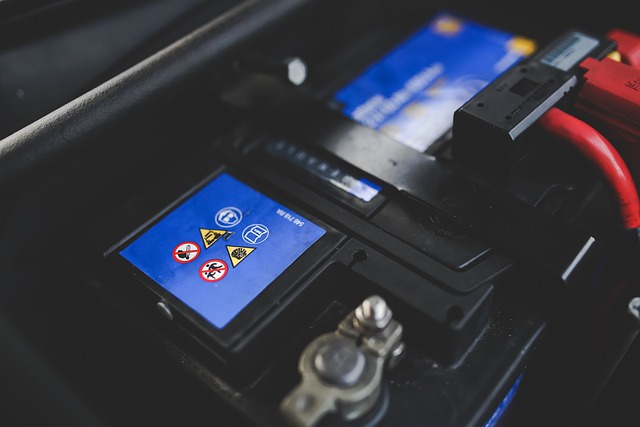
Grasping AGM Battery Voltage Essentials
Fundamentals of Voltage in AGM Batteries
Voltage serves as the key indicator for understanding AGM batteries, reflecting their electrical potential and overall power condition. A fully charged AGM battery typically registers between 12.8 and 13.0 volts, marking the ideal range for healthy battery status.
What is the Open-Circuit Voltage of AGM battery
The Open-Circuit Voltage (OCV) of an AGM battery represents the voltage measurement taken after the battery has rested without any charging or discharging activities for a period of 2 hours. This voltage is crucial as it indicates the battery's maximum voltage when discharging and its minimum when charging.
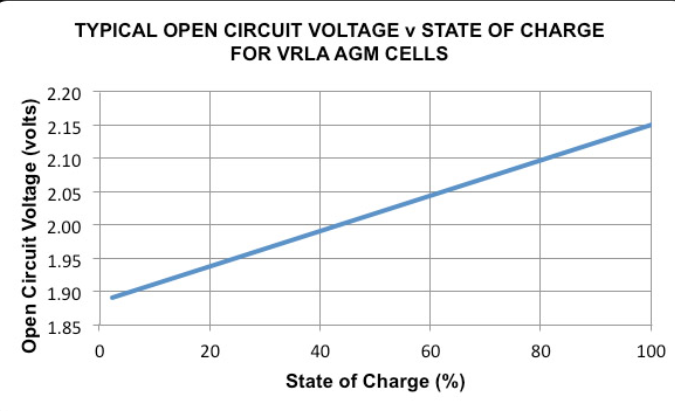
This voltage level can differ based on various factors, including the materials used by the manufacturer, the ambient temperature, and whether the battery is new or has been used for a while.
| SOC(State of charge) | OCV(Open-Circuit Voltage) |
| 100% | 12.85V |
| 75% | 12.55V |
| 50% | 12.25V |
| 25% | 11.95V |
| 0% | 11.65V |
The State of Charge (SOC) is essentially the inverse of the Depth of Discharge (DOD), detailing how much capacity the battery still holds. For instance, setting a DOD at 50% might correspond to an end voltage of 12.25V. Nevertheless, if the voltage falls to 12.25V under a load, the actual capacity remaining is likely above 50%. This discrepancy arises because the voltage under load will be lower than the OCV during discharge, with the voltage dropping further at higher currents.
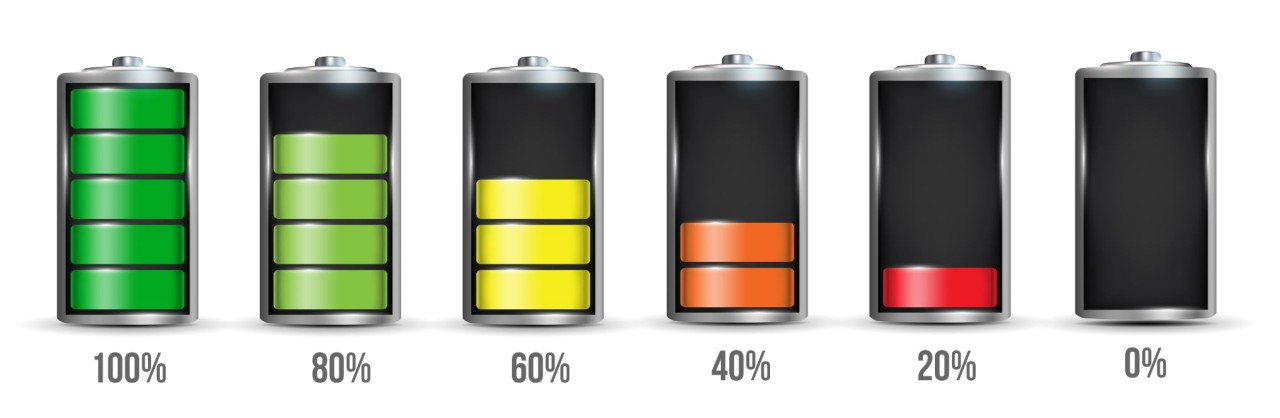
Voltage Levels Indicative of Charge State
An AGM battery's voltage correlates with its state of charge. For a battery at full capacity (100% SoC), expect a voltage reading from 12.7V to 13.0V. This voltage diminishes as the battery discharges, dropping to approximately 12.2V to 12.4V at 50% SoC and falling below 11.9V when nearly empty (0% SoC), thus serving as a quick indicator of the battery`s current charge status.
| SoC (Sstate of charge) | AGM Battery Voltage |
| 100% | 13.00V |
| 90% | 12.75V |
| 80% | 12.50V |
| 70% | 12.30V |
| 60% | 12.15V |
| 50% | 12.05V |
| 40% | 11.95V |
| 30% | 11.81V |
| 20% | 11.66V |
| 10% | 11.51V |
| 0% | 10.50V |
Understanding Resting Voltage
The resting voltage of an AGM battery is a critical measure of its balanced state. An optimal resting voltage typically lies between 12.7 and 12.8 volts. Readings below 12.5 volts suggest an undercharged battery, indicating a need for recharging.Maintenance Charging and Float Voltages
For AGM batteries in maintenance or float charging mode, the ideal voltage range is between 13.2V and 13.8V, though this can vary slightly among different manufacturers. This charging mode is designed to keep the battery optimally charged while preventing overcharging risks.Factors Affecting AGM Battery Voltage
Temperature's Influence on AGM Battery Voltage
The performance of AGM batteries is heavily influenced by temperature conditions. Extreme heat can falsely elevate voltage readings, giving the impression that the battery is fully charged, while cold conditions may lower the readings, suggesting a lower charge than actual. Therefore, the ambient temperature is a critical factor to consider when gauging an AGM battery's voltage.Effects of Charging and Discharge Rates
The voltage of an AGM battery is also affected by how it's charged or discharged. When subjected to higher charging currents, the battery's voltage might show higher than usual, while increased discharging rates can decrease the voltage. Understanding this relationship is important for accurate voltage interpretation in various usage scenarios.Differences Across Brands and Individual Batteries
AGM batteries exhibit variation across different brands and even within the same brand, influenced by manufacturing processes and the unique history of each battery's use. These differences highlight that while general voltage guidelines are useful, they might not apply universally to all AGM batteries.The Need for Voltage Stabilization Post-Charging
After being charged or discharged, AGM batteries require a period to stabilize their voltage to a level that reflects their true state. This stabilization might take upwards of 12 hours, though a significant portion usually occurs in the initial 10 minutes. It is advisable to allow a brief waiting period after disconnecting from charging or load before taking a voltage measurement for accuracy.Comparing AGM with Wet Cell Batteries
AGM (Absorbent Glass Mat) batteries, while falling under the lead-acid category, differ significantly from their wet or flooded cell relatives. Wet cell batteries are more budget-friendly and common, but they demand a lot of upkeep like frequent equalization and water level monitoring, and they require good ventilation due to hydrogen gas emission. In contrast, AGM and lithium batteries are becoming popular alternatives, especially in portable solar systems, thanks to their higher performance and reduced maintenance needs.Why Choose AGM Batteries?
AGM batteries offer several advantages. They are designed for quick activation and greater cold cranking abilities than traditional lead-acid batteries. The use of absorbent glass mat technology not only enhances their durability and resistance to vibration but also ensures they are spill and leak-proof. This design also means the electrolyte is contained within the mat, minimizing acid spill risks. Notably, AGM batteries excel in their charging and discharging efficiency, making them ideal for systems needing quick energy turnover, such as regenerative braking systems. They are also characterized by a lower rate of self-discharge and can endure deep and frequent discharges, making them versatile for diverse uses like camping, boating, and as a reliable power source in uninterrupted power supplies.
Charging AGM Batteries
Charging AGM Batteries Properly
Ensuring your AGM battery stays in top condition hinges on charging it within the right voltage parameters. Typically, AGM batteries should be charged at a voltage ranging from 14.4V to 14.8V, particularly under standard temperature conditions. This range is critical to fully charge the battery to 100% SoC while avoiding any potential harm.Dangers of Incorrect Charging
Both overcharging and undercharging bring risks to AGM batteries. Overcharging can cause the battery to overheat, leading to a shortened lifespan. Conversely, undercharging might result in a consistently low state of charge, which can also reduce the battery's lifespan. Using a charger that is specifically designed for AGM batteries is crucial to mitigate these risks.Ensuring AGM Battery Longevity
Achieving the best health for your AGM battery goes beyond setting the right charging voltage. It's vital to keep a regular check on the battery`s charge level, steer clear of letting it discharge too much, and avoid exposing the battery to extreme temperature variations. These practices are integral to a comprehensive battery care routine.Safety Precautions and Maintenance
Safe Handling of AGM Batteries
While AGM batteries are generally safer than traditional lead-acid batteries, they still require careful handling. Always wear appropriate safety gear and be vigilant to prevent short-circuits. Although these batteries are less likely to leak acid, mishandling them could still pose risks.Maintaining Your AGM Battery
Regular maintenance is key to prolonging your AGM battery's life. Watch for any signs of wear, such as cracks or swelling. Cleaning the terminals to prevent corrosion and ensuring they're tightly connected are simple yet effective ways to maintain your battery's health.Dispelling AGM Battery Voltage Myths
It's a common misconception that higher voltage is an indicator of a healthier battery. In reality, while a certain level of voltage does signify good health, excessively high voltages might point to overcharging, which is detrimental. Balancing is crucial for maintaining your battery's condition.Preventing Battery Usage Errors
A common error among users is overcharging or allowing excessive discharge of their batteries. Both of these practices can be harmful. Knowing the appropriate voltage levels for different charge states and following the recommended charging guidelines is essential to avoid these pitfalls.Conclusion
In this guide, we've delved into the detailed aspects of AGM batteries, focusing on voltage requirements and the factors that influence their performance. A fully charged 12V AGM battery typically ranges between 12.8 to 13.0 volts, though this can vary due to temperature, brand, and charging methods. Understanding proper charging and how external factors affect your battery is essential for its health and longevity.AGM battery maintenance goes beyond just knowing the voltage levels; it involves consistent checks, following safety guidelines, and dispelling myths about battery care. By adhering to these practices, you can ensure a long and effective service life for your AGM battery.
In conclusion, the way you handle and care for your AGM battery greatly impacts its performance and life. Using it responsibly and maintaining it well are crucial for maximizing its potential. A well-cared-for AGM battery is a reliable and efficient component in any application, be it in vehicles or solar systems. This guide aims to provide valuable insights, empowering you with the knowledge for effective AGM battery care. Remember, the longevity and reliability of your battery are in your hands.
FAQs about voltage of 12V AGM battery
What is the lowest voltage for AGM under load?
To maintain the health of your Lifeline AGM battery bank, it's advisable not to let the voltage drop below 12.15V to 12.20V, especially when it's bearing the usual household load. It's also crucial to ensure that the batteries are charged back to 100% State of Charge (SoC) promptly after they've been discharged. This practice is essential for preserving the longevity and efficiency of your AGM batteries.
Is it OK to trickle charge an AGM battery?
In the dormant seasons, it's essential to periodically maintain your battery using a trickle charger. Rapid charging should be avoided as it can lead to overheating of the battery, subsequently diminishing its overall longevity. With these fundamental principles in mind, ensuring the health of your battery should be straightforward. Remember to consistently charge your battery at a slow pace during off-peak times to prevent unnecessary wear and maintain its performance.
Can AGM batteries be discharged below 50%?
AGM batteries are indeed capable of being discharged below the 50% mark. In numerous scenarios, maintaining 70% battery health is sufficiently effective, eliminating the need for immediate replacement. Additionally, some situations find even 40% battery health to be perfectly acceptable. It's also worth noting that AGM batteries boast a significantly higher resilience in comparison to their flooded counterparts. The longevity of an AGM battery is directly influenced by the extent to which it is discharged; lesser discharges contribute to a prolonged lifespan.
Read More:
How to test a 12V AGM battery?