

Introduction
In the dynamic landscape of today's energy needs, tubular batteries stand out as a pivotal innovation, transforming how we approach power storage and management. Far from being mere energy reservoirs, these batteries are the unsung heroes powering a greener, more resilient future. They are at the heart of revolutionizing energy systems, from harnessing the sun's rays in solar setups to ensuring uninterrupted power in homes and businesses.
What is a tubular battery?
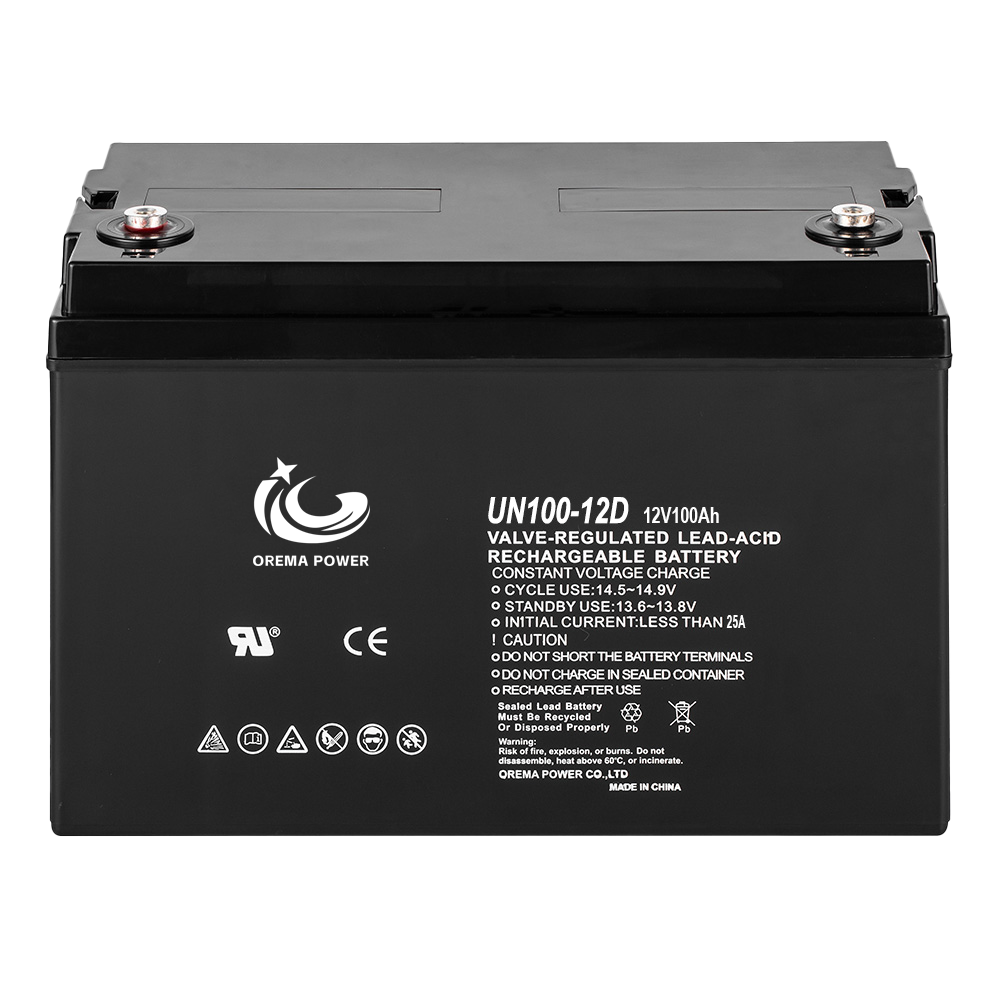
A tubular battery is a specialized type of lead-acid battery known for its distinct construction. It is characterized by its positive plates, which are encased in tube-shaped structures, typically made of cloth or polymers. This design is a key differentiator from the traditional flat-plate batteries and contributes to both improved efficiency and a longer lifespan. Tubular batteries operate on the principle of a chemical reaction involving lead, lead dioxide, and sulfuric acid to store and release energy, making them a dependable choice for a variety of power storage needs.
What are the types of tubular batteries
Tubular batteries, an essential component in various power storage applications, are predominantly classified into two types: short tubular and tall tubular. Each type is designed to cater to specific requirements and usage scenarios.
Short Tubular Batteries:
Compact Design: Short tubular batteries are characterized by their smaller size and compact structure, making them ideal for spaces with limited area.
Capacity Range: These batteries typically have a lower capacity compared to their tall counterparts, suited for applications with moderate energy requirements.
Usage: Ideal for domestic purposes such as small home inverters, UPS systems, and other applications where space is a constraint and moderate power backup is needed.
Advantages: Their compact size allows for easier installation and handling, making them a convenient choice for residential users.
Tall Tubular Batteries:
Increased Capacity: Tall tubular batteries are larger, with a design that allows for a higher capacity and longer backup time. They are built to handle more significant energy demands.
Durability and Longevity: These batteries are known for their durability and are often preferred for heavy-duty applications due to their longer lifespan.
Applications: Commonly used in larger settings such as industrial power backup systems, solar power installations, and in situations where extended power backup is required.
Space Consideration: The larger size means they require more space, which should be considered when planning installation.
Short Tubular Batteries:
Compact Design: Short tubular batteries are characterized by their smaller size and compact structure, making them ideal for spaces with limited area.
Capacity Range: These batteries typically have a lower capacity compared to their tall counterparts, suited for applications with moderate energy requirements.
Usage: Ideal for domestic purposes such as small home inverters, UPS systems, and other applications where space is a constraint and moderate power backup is needed.
Advantages: Their compact size allows for easier installation and handling, making them a convenient choice for residential users.
Tall Tubular Batteries:
Increased Capacity: Tall tubular batteries are larger, with a design that allows for a higher capacity and longer backup time. They are built to handle more significant energy demands.
Durability and Longevity: These batteries are known for their durability and are often preferred for heavy-duty applications due to their longer lifespan.
Applications: Commonly used in larger settings such as industrial power backup systems, solar power installations, and in situations where extended power backup is required.
Space Consideration: The larger size means they require more space, which should be considered when planning installation.
Is tubular battery AGM or flooded?
The categorization of tubular batteries into AGM or flooded types depends on their internal electrolyte composition.
Flooded Tubular Batteries:
Most Common Form: The traditional form of tubular batteries is the flooded type. These batteries contain a liquid electrolyte, typically sulfuric acid, which freely flows around the lead plates inside.
Regular Maintenance: They require periodic maintenance, which includes checking the electrolyte level and ensuring it's adequately diluted.
Durability: Known for their robustness, flooded tubular batteries can endure rigorous and repeated deep discharges, making them ideal for applications like solar power systems and industrial backups.
Ventilation Requirement: These batteries emit gases during operation, necessitating good ventilation in the area they are installed.
AGM Tubular Batteries:
Maintenance-Free Alternative: AGM (Absorbent Glass Mat) tubular batteries use a fiberglass mat to hold the electrolyte in place, eliminating the need for the liquid acid to be free-flowing. This design makes them spill-proof and maintenance-free.
Advantages: They offer benefits like reduced acid leakage risk, lower self-discharge rates, and better performance in cold temperatures compared to their flooded counterparts.
Usage Scenarios: AGM tubular batteries are suitable for environments where regular maintenance is challenging or where battery leakage could be a significant concern, such as in residential power backups or marine applications.
Flooded Tubular Batteries:
Most Common Form: The traditional form of tubular batteries is the flooded type. These batteries contain a liquid electrolyte, typically sulfuric acid, which freely flows around the lead plates inside.
Regular Maintenance: They require periodic maintenance, which includes checking the electrolyte level and ensuring it's adequately diluted.
Durability: Known for their robustness, flooded tubular batteries can endure rigorous and repeated deep discharges, making them ideal for applications like solar power systems and industrial backups.
Ventilation Requirement: These batteries emit gases during operation, necessitating good ventilation in the area they are installed.
AGM Tubular Batteries:
Maintenance-Free Alternative: AGM (Absorbent Glass Mat) tubular batteries use a fiberglass mat to hold the electrolyte in place, eliminating the need for the liquid acid to be free-flowing. This design makes them spill-proof and maintenance-free.
Advantages: They offer benefits like reduced acid leakage risk, lower self-discharge rates, and better performance in cold temperatures compared to their flooded counterparts.
Usage Scenarios: AGM tubular batteries are suitable for environments where regular maintenance is challenging or where battery leakage could be a significant concern, such as in residential power backups or marine applications.
Are all tubular batteries deep cycle?
No, not all tubular batteries are deep cycle. The deep cycle capability of a tubular battery depends on its specific design and intended application.
Deep Cycle Tubular Batteries in Specific Applications:
Solar Energy Systems: In solar applications, tubular batteries are often deep cycle. They need to handle prolonged discharge during periods of low sunlight and recharge during sunny hours.
Inverter Systems: For inverters, particularly in residential and commercial power backup systems, deep cycle tubular batteries are common. They are designed to discharge significantly during power outages and recharge when power is restored.
Industrial Use: Some industrial tubular batteries are also deep cycle, especially in applications where batteries undergo regular and substantial charge-discharge cycles.
Inverter Systems: For inverters, particularly in residential and commercial power backup systems, deep cycle tubular batteries are common. They are designed to discharge significantly during power outages and recharge when power is restored.
Industrial Use: Some industrial tubular batteries are also deep cycle, especially in applications where batteries undergo regular and substantial charge-discharge cycles.
What is the advantage of tubular batteries?
Tubular batteries bring several advantages to the table:
Longer Lifespan: Their robust construction significantly extends their operational life.
Improved Efficiency: These batteries exhibit better charge acceptance and lower self-discharge rates, making them more efficient.
Enhanced Durability: They are well-suited for harsh conditions and frequent power outages, ensuring reliable performance.
Versatility: Their adaptability makes them ideal for a range of applications, from solar energy systems to industrial backups.
Longer Lifespan: Their robust construction significantly extends their operational life.
Improved Efficiency: These batteries exhibit better charge acceptance and lower self-discharge rates, making them more efficient.
Enhanced Durability: They are well-suited for harsh conditions and frequent power outages, ensuring reliable performance.
Versatility: Their adaptability makes them ideal for a range of applications, from solar energy systems to industrial backups.
Tubular batteries vs gel batteries
Tubular Batteries:
Longevity: Tubular batteries are renowned for their extended lifespan. This makes them a cost-effective solution over time, especially in applications where frequent battery replacement is impractical.
High-Temperature Tolerance: They excel in environments with high ambient temperatures. Their robust design withstands heat better, maintaining performance where gel batteries might falter.
Deep Discharge Capability: Tubular batteries are designed to handle deep discharge cycles more effectively. This feature is particularly beneficial in applications like renewable energy systems (solar, wind) and areas with frequent power outages.
Ideal Use: They are best suited for heavy-duty applications such as industrial power backup systems, off-grid renewable energy setups, and areas with extreme temperature conditions.
Gel Batteries:
Maintenance-Free: Gel batteries are sealed and require no water top-up, making them virtually maintenance-free. This is a significant advantage in applications where regular maintenance is challenging.
Leak Resistance: The gel electrolyte minimizes leakage risks, making these batteries safer for use in sensitive environments.
Vibration Resistance: They are more resistant to vibration and shock, which is advantageous in mobile applications or in conditions where physical stability is a concern.
Ideal Use: Gel batteries are a great choice for applications that require a stable power source with minimal maintenance, like marine use, mobility scooters, and uninterruptible power supply (UPS) systems in office settings.
Longevity: Tubular batteries are renowned for their extended lifespan. This makes them a cost-effective solution over time, especially in applications where frequent battery replacement is impractical.
High-Temperature Tolerance: They excel in environments with high ambient temperatures. Their robust design withstands heat better, maintaining performance where gel batteries might falter.
Deep Discharge Capability: Tubular batteries are designed to handle deep discharge cycles more effectively. This feature is particularly beneficial in applications like renewable energy systems (solar, wind) and areas with frequent power outages.
Ideal Use: They are best suited for heavy-duty applications such as industrial power backup systems, off-grid renewable energy setups, and areas with extreme temperature conditions.
Gel Batteries:
Maintenance-Free: Gel batteries are sealed and require no water top-up, making them virtually maintenance-free. This is a significant advantage in applications where regular maintenance is challenging.
Leak Resistance: The gel electrolyte minimizes leakage risks, making these batteries safer for use in sensitive environments.
Vibration Resistance: They are more resistant to vibration and shock, which is advantageous in mobile applications or in conditions where physical stability is a concern.
Ideal Use: Gel batteries are a great choice for applications that require a stable power source with minimal maintenance, like marine use, mobility scooters, and uninterruptible power supply (UPS) systems in office settings.
Are tubular batteries good for inverters
Absolutely, tubular batteries are indeed an excellent match for inverter systems. They are particularly well-suited due to their robust design and capability to endure deep discharge-recharge cycles, a common requirement in inverter usage. This makes them reliable for long-term performance, ensuring a consistent power supply during outages.
In residential settings, where inverters are often used for emergency power backup, tubular batteries provide the resilience needed to handle frequent power cuts. Their ability to efficiently store and deliver power under varying load conditions ensures that household appliances can keep running smoothly during power interruptions.
For commercial applications, where the power demand is typically higher and more consistent, tubular batteries are equally beneficial. They can handle the intense and regular cycling demands without significant degradation in performance, making them a trustworthy power source for businesses and industries reliant on inverters for critical operations.
Moreover, tubular batteries are known for their longer lifespan compared to other battery types, which is a significant advantage in both residential and commercial settings. This extended lifespan not only provides value for money but also ensures fewer replacements and maintenance issues over time.
The durability, efficiency, and cycle stability of tubular batteries make them a top choice for powering inverter systems, catering to both home and business needs with reliability and effectiveness.
In residential settings, where inverters are often used for emergency power backup, tubular batteries provide the resilience needed to handle frequent power cuts. Their ability to efficiently store and deliver power under varying load conditions ensures that household appliances can keep running smoothly during power interruptions.
For commercial applications, where the power demand is typically higher and more consistent, tubular batteries are equally beneficial. They can handle the intense and regular cycling demands without significant degradation in performance, making them a trustworthy power source for businesses and industries reliant on inverters for critical operations.
Moreover, tubular batteries are known for their longer lifespan compared to other battery types, which is a significant advantage in both residential and commercial settings. This extended lifespan not only provides value for money but also ensures fewer replacements and maintenance issues over time.
The durability, efficiency, and cycle stability of tubular batteries make them a top choice for powering inverter systems, catering to both home and business needs with reliability and effectiveness.
Can tubular batteries be used indoors
Yes, tubular batteries can be used indoors, commonly in settings like homes and offices for power backup systems. In these environments, their reliable energy storage capacity is particularly valuable during power outages. However, it is vital to ensure proper ventilation in the area where the batteries are stored or used. This precaution is necessary to safely dissipate any gases released during the charging process, maintaining a safe indoor environment.
Conclusion
Tubular batteries stand out as a powerful and adaptable solution for numerous applications. Gaining insight into their various forms, advantages, and appropriate applications enables more educated choices, whether for renewable energy initiatives, emergency power backups, or heavy-duty industrial use. By adopting tubular battery technology, you can ensure dependable and effective power management for your diverse needs.