

Introduction
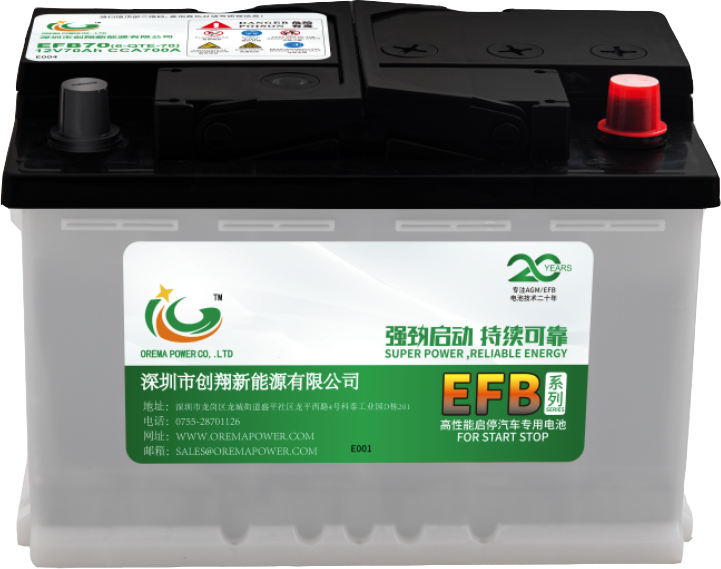
What is a start-stop battery
Start-stop batteries are the heart of a technology designed to reduce vehicle emissions and fuel consumption in urban driving conditions. Unlike traditional car batteries, these are specifically engineered to withstand the frequent start-stop cycles of modern engines. When your vehicle stops at a traffic light, the engine shuts off to conserve fuel and reduce emissions, only to restart when it's time to move. This eco-friendly approach not only contributes to a cleaner environment but also enhances the overall efficiency of your vehicle.
How does a start-stop battery work
The secret behind a start-stop battery's efficiency lies in its robust design and advanced technology. These batteries are equipped to handle the quick energy demands of repeated engine restarts. When the vehicle is idle, such as at a red light, the engine automatically shuts off. The battery continues powering essential functions like the air conditioning, radio, and headlights. Once the brake is released, the battery promptly restarts the engine, ensuring smooth operation. This process requires a battery that can rapidly discharge and recharge, a task for which start-stop batteries are perfectly suited.
Start-stop battery vs normal battery
Designed for Frequent Start-Stop Cycles:
Start-stop batteries are specifically engineered to handle the constant start and stop of the engine in traffic or at lights, a feature increasingly common in modern vehicles for fuel efficiency and reduced emissions.
They can endure the stress of frequent engine restarts, which is something traditional batteries are not designed for.
Advanced Construction for Durability:
These batteries have a more robust build to withstand the rapid charge and discharge cycles that occur with each engine start and stop. This resilience is not a feature of standard car batteries, which are designed mainly for a steady energy supply.
The enhanced durability of start-stop batteries means they typically have a longer service life in start-stop environments compared to regular batteries.
Quicker Energy Transfer:
Start-stop batteries are capable of quicker energy transfer, allowing them to respond rapidly to the engine's power needs. This is crucial for the smooth operation of start-stop systems, which require instant power to restart the engine.
Conventional batteries, on the other hand, are optimized for a gradual energy release, suitable for starting the car and then maintaining a steady supply of power.
Optimized for Energy Conservation:
A unique feature of start-stop batteries is their role in conserving energy. They are part of a system that shuts off the engine when the vehicle is idle and quickly restarts it when needed, reducing fuel consumption and emissions.
Traditional batteries do not have this specific focus on energy conservation as part of an integrated vehicle system.
In summary, start-stop batteries are not just regular batteries with a different label; they are advanced energy sources tailored to meet the specific demands of modern vehicles equipped with start-stop technology. Their ability to handle frequent starts and stops, coupled with their durable construction and quick energy transfer capabilities, makes them uniquely suited to today's automotive energy requirements.
What is the best start-stop battery
AGM (Absorbent Glass Mat) Batteries:
High Durability and Reliability: AGM batteries are known for their long life and resilience. They are built to withstand deep discharge cycles, making them ideal for vehicles with heavy electrical demands.
Superior Performance: These batteries excel in delivering consistent power, even under extreme weather conditions. They are less prone to sulfation and can hold a charge for a longer period when not in use.
Efficient Energy Management: AGM batteries are particularly effective in cars with advanced start-stop systems, regenerative braking, and features that require a rapid response, like high-end audio systems and power outlets.
Ideal for Western Vehicles: Predominantly found in European and American cars, AGM batteries are well-suited for luxury vehicles and those with extensive electronic systems.
EFB (Enhanced Flooded Batteries) Batteries:
Improved Charge Acceptance: EFB batteries offer better charge acceptance compared to traditional lead-acid batteries. This makes them more efficient for vehicles with standard start-stop functionality.
Cost-Effective Solution: While providing a step up from regular batteries in terms of performance, EFB batteries are generally more affordable than AGM batteries, making them a great choice for budget-conscious consumers.
Adaptability: These batteries are well-suited for vehicles with less demanding electrical systems. They are commonly used in Asian car models, especially Japanese cars, where sophisticated start-stop systems are less prevalent.
Balanced Option for Everyday Use: EFB batteries strike a balance between performance and cost, making them suitable for standard passenger vehicles and daily driving needs.
When determining the best start-stop battery for your vehicle, consider these unique features. AGM batteries are ideal for high-end, feature-rich European and American cars, offering superior performance and durability. In contrast, EFB batteries are more suited to Asian vehicles, particularly Japanese models, where a cost-effective solution for moderate electrical demands is desired. Selecting the right battery ensures optimal performance and longevity for your vehicle's specific needs.
Do i really need a start-stop battery
Whether you need a start-stop battery depends on your vehicle type and driving habits. If your car comes equipped with start-stop technology, using the designated battery is crucial for optimal performance and longevity. For vehicles without this technology, a regular battery suffices. However, considering a start-stop battery for its durability and efficiency could be a wise investment, especially if you frequently drive in stop-and-go traffic.
How long does a start-stop battery last?
Frequent Short Trips: Constantly driving short distances doesn't allow the battery to fully recharge, leading to a shorter lifespan.
Extensive Use of In-Car Electronics: Regular use of electronics like air conditioning, radio, and navigation systems while the engine is off can drain the battery quicker.
Driving in Extreme Temperatures: Both very hot and very cold conditions can strain the battery, reducing its efficiency and lifespan.
Irregular Maintenance: Neglecting regular battery check-ups and car servicing can lead to premature battery failure.
Adopting good driving and maintenance habits can help maximize the life of your start-stop battery.
How to change a start-stop battery
Preparation:
Turn off your vehicle and ensure all electronics are switched off.
Open the hood and locate the battery, usually found in the engine compartment.
Safety Measures:
Wear protective gloves and safety glasses to protect against acid and debris.
Ensure the car is in a stable position and on a flat surface.
Disconnect the Old Battery:
Start by disconnecting the negative terminal (usually marked with a minus sign or black color) using a wrench. This helps prevent short circuits.
Then disconnect the positive terminal (marked with a plus sign or red color).
Remove the Old Battery:
Carefully lift out the old battery. Remember, it might be heavy and contain harmful chemicals, so handle it with care.
Install the New Battery:
Place the new battery in the same position as the old one. Ensure it sits firmly and is properly aligned.
First, connect the positive terminal and secure it tightly. Then, connect the negative terminal.
Final Checks:
Double-check that both terminals are securely attached and that the battery is stable in its position.
Close the hood and start the vehicle to ensure the new battery is functioning correctly.
Disposal of Old Battery:
It's important to dispose of the old battery responsibly. Take it to a recycling center or an automotive shop that accepts used batteries.
Additional Tips:
Refer to your vehicle`s manual for any specific guidelines related to battery replacement.
If your car has specific settings or memory functions, you may need to reset these after changing the battery.
If you encounter any issues or are unsure at any point, consider seeking assistance from a professional mechanic.
By following these steps and taking the necessary precautions, you can successfully change a start-stop battery in your vehicle.
Will start-stop system cause the car battery to wear down faster?
A common concern is whether the frequent starting and stopping will wear down the battery quicker. Surprisingly, start-stop batteries are designed to endure this kind of usage. Their enhanced construction and advanced technology enable them to withstand the wear and tear of constant engine restarts, often outlasting traditional batteries under similar conditions.
Is a regular battery sufficient if the start-stop is deactivated?
When a vehicle's start-stop mechanism is not active, the specific requirement for an AGM (Absorbent Glass Mat) battery, typically essential for such systems, becomes less critical. AGM batteries are specially engineered to accommodate the frequent restarts of the engine and to sustain the power needs for onboard electronics when the engine is off. Their ability to endure deeper discharge cycles and their higher capacity compared to standard lead-acid batteries make them particularly suitable for vehicles with start-stop technology.
However, in the absence of an operational start-stop system, a traditional lead-acid battery can serve as a viable alternative. These batteries are usually more cost-effective and are capable of satisfactory performance without the necessity for deep cycling. It's important to recognize, though, that although standard lead-acid batteries can technically substitute for AGM batteries in vehicles not utilizing start-stop systems, compatibility with the charging system must be taken into account.
Vehicles initially outfitted with AGM batteries typically feature a charging system that is finely tuned to meet the unique charging demands of these batteries. AGM batteries need a higher voltage for charging and a more complex charging protocol to avert damage and maximize longevity. If a vehicle designed for an AGM battery switches to a conventional battery, there may be a mismatch with the charging system`s requirements, potentially causing undercharging or overcharging of the battery.
Undercharging could lead to extended battery life but might also result in inadequate power supply, especially in situations requiring high energy. Overcharging, though less detrimental to standard batteries than AGMs, can nonetheless diminish the battery's lifespan and performance.
In summary, while a standard lead-acid battery can replace an AGM battery in vehicles with a disabled start-stop system, it's imperative to verify that the vehicle`s charging system aligns with the new battery type. If not properly matched, the battery may underperform and experience a shortened lifespan. For optimal performance and durability, it`s recommended to use the type of battery that the vehicle's charging system is designed to support.