

Introduction
Did you know that the humble lead acid battery, a staple in cars and backup power systems, is as prone to wear and tear as any mechanical device? Among the myriad of challenges it faces, sulfation stands out as a primary culprit diminishing its lifespan and efficiency. But fear not! This silent adversary can be both prevented and treated. In this article, we'll journey through the intricacies of Vrla batteries and unlock the secrets to combating sulfation.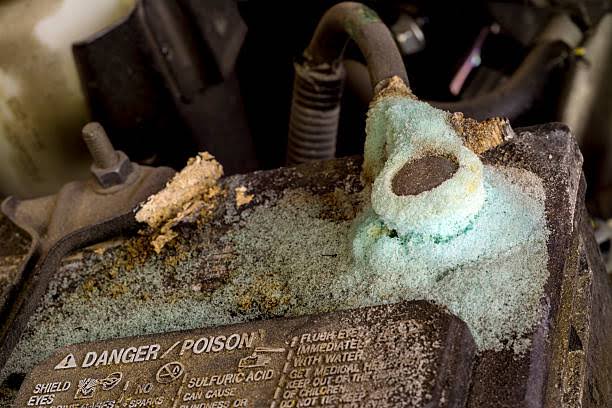
What is Sulfation in Lead Acid Batteries?
Sulfation occurs when a flooded battery discharges. The lead dioxide and lead plates react with the sulfuric acid to create lead sulfate. This is normal during the battery's use. However, when a battery remains discharged for an extended period, these lead sulfate crystals harden and clog the SLA battery plates. Imagine a busy highway gradually getting blocked by a snowstorm; similarly, sulfation obstructs the electrical flow within the battery. This blockage not only reduces the battery's capacity but can render it useless if left unchecked.How to Desulfate a Lead Acid Battery
Desulfation is the process of dissolving these stubborn lead sulfate crystals. It involves:Safety First: Always wear protective gear and ensure adequate ventilation.
Battery Inspection: Examine the battery for any physical damage. Proceed only if the battery is intact.
Desulfation Process: This can be done using a smart charger or a specialized desulfator device. The device sends pulses of electricity through the battery, breaking down the lead sulfate crystals.
Desulfating with Epsom Salt
A popular home remedy involves using Epsom salt (magnesium sulfate). Here`s how:Dissolve Epsom Salt: Mix a solution of Epsom salt and distilled water.
Battery Preparation: Ensure the battery is turned off and disconnected. Add the solution to each cell.
Recharge: Slowly recharge the battery.
While this method can be effective for mild cases, it's not a silver bullet for severely sulfated batteries.
Desulfating with Chemicals
Chemical desulfators are best suited for situations where a VRLA Battery is experiencing significant sulfation, but is not yet beyond repair. This method is particularly effective for batteries that haven't responded well to traditional charging or have been left in a discharged state for an extended period. Here's a concise guide on how to use them:Choose the Right Desulfator: Select a chemical desulfator that is compatible with your battery type. Ensure it`s designed for the specific size and application of your SLA batteries.
Safety Precautions: Wear protective gloves and safety glasses. Work in a well-ventilated area to avoid inhaling fumes.
Application: To apply a chemical desulfator to a lead-acid battery, start by carefully reading and following the specific instructions provided with the desulfator product. Ensure the battery is disconnected and accessible. Open the battery cells, if possible, and use the provided measuring tool to accurately add the recommended amount of desulfator to each cell. Be meticulous to avoid spills. After applying the desulfator, reseal the cells and proceed with the battery's charging process as directed. Handling the chemicals cautiously and precisely is crucial for both safety and the effectiveness of the desulfation.
Charging the Battery: After applying the desulfator, charge the battery using a standard or smart charger. Monitor the charging process, as it might take longer than usual.
Testing: Once charged, test the battery to assess improvement in performance.
How long to desulfate a lead acid battery
The duration of the desulfation process for a lead-acid battery can indeed vary significantly based on several factors. To give you a more concrete idea, let's consider a typical scenario:Imagine a standard 12V lead acid car battery that's moderately sulfated. In such a case, the desulfation process could generally take about 24 to 36 hours when using a specialized desulfator device or charger with a desulfation mode.
However, it's important to note that this timeframe is an estimate and can change based on the battery's condition and capacity. For instance, a battery with mild sulfation might require less time, perhaps just a few hours, whereas a heavily sulfated battery could need several days of continuous desulfation.
How to prevent sulfation in lead acid battery
Sulfation is a common but preventable issue in sealed lead acid batteries, and taking proactive steps can significantly extend the life and efficiency of your battery. Here`s how:Consistent and Correct Chargin1. Consistent and Correct Charging:
Optimal Charge Levels: Ensure your battery is never left in a partially discharged state for extended periods. Keeping the battery consistently charged helps prevent the formation of large sulfate crystals.
Use of Smart Chargers: Employ smart charging technology. Smart chargers adapt the charging voltage and current based on the battery`s condition, promoting better charging and helping to prevent overcharging, which is equally harmful.
Avoiding Deep Discharges:
Understanding Discharge Limits: Regularly discharging a battery deeply, especially below 50% of its capacity, accelerates sulfation. Try to recharge your battery before it drops below 50-60% of its charge.
Battery Monitoring: Implementing a battery monitoring system can alert you when the charge level approaches the lower limit, enabling timely recharging.
Routine and Thorough Maintenance:
Electrolyte Level Checks: Keep the electrolyte level within recommended limits. Low levels expose portions of the plates to air, increasing the risk of sulfation.
Regular Cleaning: Ensure the battery terminals and connections are free of corrosion and dirt, which can cause charging issues and contribute to sulfation. Use a solution of baking soda and water to clean any corrosion.
Equalization Charges:
Periodic Equalizing: An equalization charge is a controlled overcharge performed on flooded lead-acid batteries. It helps to balance the battery cells and reverse minor sulfation.
Smart Charger Utilization: Many advanced chargers have an equalization mode. Use this feature periodically, especially if the battery is frequently subjected to incomplete charging cycles.
Adequate Storage:
Proper Storage Conditions: If you plan to store your battery for an extended period, ensure it`s fully charged first. Store it in a cool, dry place and recharge it every three to six months to prevent sulfation during storage.
Temperature Considerations:
Optimal Operating Temperatures: Extreme temperatures, both hot and cold, can accelerate sulfation. If possible, operate and store your batteries in a temperature-controlled environment.
Usage Patterns:
Balanced Use: Regular use of the battery can also help prevent sulfation. A battery left idle for too long is more prone to sulfate build-up.
Do AGM batteries get sulfated?
AGM batteries, a sophisticated variant of lead-acid batteries, are designed with a unique feature where the electrolyte is absorbed in a fibrous glass mat. This design offers several advantages over traditional flooded lead-acid batteries. One of the key benefits is the prevention of electrolyte spillage, enhancing safety, especially in situations where the battery might tip over. Unlike standard lead-acid batteries, AGM batteries emit negligible gases during normal operation due to an internal gas recombination reaction. This characteristic makes them suitable for use in areas with less ventilation.Moreover, AGM batteries don't suffer from electrolyte stratification – a common issue in traditional batteries where the electrolyte concentration varies within the battery, leading to uneven charging and potentially inaccurate readings of the battery's charge state. This uniformity in electrolyte distribution contributes to their longer lifespan in comparison to flooded batteries. Additionally, being based on a water electrolyte, AGM batteries are less hazardous in failure scenarios than lithium-ion batteries, which have been known to catch fire.
In terms of performance, AGM batteries excel in delivering high power bursts, essential for vehicle starting, under diverse conditions. They offer a combination of high power output, extended usage capacity, and the ability to discharge fully at lower rates when required. These batteries are not only cost-effective but also environmentally friendly, given that they are the most recycled product with over 95% of the materials recoverable.
Addressing your main concern, sulfation can indeed occur in AGM batteries, as it can in all lead-acid batteries. Sulfation happens when a battery is kept at a low charge for extended periods, leading to the formation of lead sulfate crystals. While AGM batteries are less prone to sulfation due to their design and charging characteristics, they are not entirely immune to it. Regular maintenance and ensuring proper charging can mitigate the risk of sulfation in AGM batteries.