

Introduction
In our rapidly evolving world, the need for sustainable practices has never been more crucial. Among these practices, the recycling of lead acid batteries stands out as a significant concern and opportunity. These storage batteries, commonly found in cars, trucks, and emergency power supplies, are a part of our everyday lives. Yet, their disposal poses environmental challenges due to the toxic substances they contain. In this comprehensive guide, we'll delve into the intricacies of disposing, recycling, and reconditioning lead-acid batteries, highlighting not only the 'how' but also the 'why' of these processes. Our journey into this realm isn't just informative; it's a step towards a more sustainable and responsible future.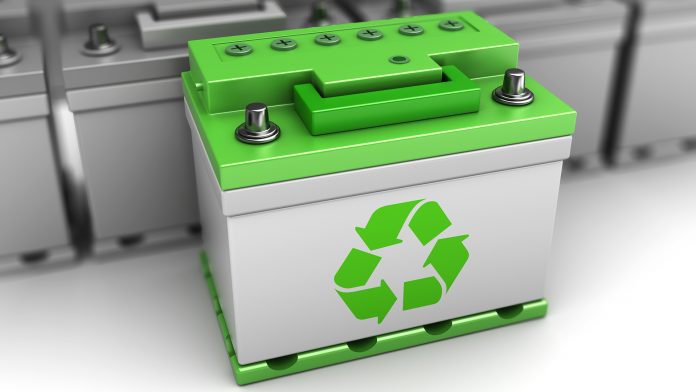
How to Dispose of a Dead Lead Acid Battery
Disposing of a dead lead acid battery is more than just getting rid of an unwanted item; it's a critical environmental responsibility. The improper disposal of these batteries can cause serious harm, including the leakage of toxic substances like lead and acid, which can contaminate soil and water sources. To ensure safe and responsible disposal, follow this comprehensive guide:Prioritize Safety: Handling a dead lead-acid battery requires caution. Always wear protective gear, including durable gloves and safety glasses, to protect yourself from the harmful chemicals that batteries contain. Ensure you're in a well-ventilated area to avoid inhaling any potentially dangerous fumes.
Identify an Authorized Disposal Facility: It's essential to take your dead battery to a facility equipped to handle lead-acid battery disposal. Many battery retailers, automotive shops, and recycling centers are authorized to accept these batteries. Some facilities may offer a credit towards a new battery or other incentives for recycling. Utilize online resources or local directories to find the nearest authorized disposal facility.
Safe Transportation: When moving a dead battery, it`s crucial to prevent any leaks or spills. Place the battery upright in a sturdy container to stabilize it during transport. If possible, use the original packaging of the battery or a specially designed battery carrier. Avoid leaving the battery in direct sunlight or in a car where temperatures can escalate, as extreme temperatures can increase the risk of a leak.
Adhere to Legal Requirements: Disposal of lead-acid batteries is regulated by law in many regions due to their hazardous nature. Be aware of and comply with local and national regulations to avoid legal repercussions. These laws are in place not only for environmental protection but also for public health and safety. In some cases, failing to dispose of these batteries properly can result in fines or other legal consequences.
Consider the Environmental Impact: Remember, your actions contribute to a larger environmental picture. By properly disposing of a dead lead-acid battery, you're playing a vital role in preventing toxic substances from damaging the ecosystem. This responsible act contributes to a cleaner and safer environment for current and future generations.
Can Lead Acid Batteries Be Recycled?
The recycling of sealed lead acid batteries is a testament to sustainable practices, showcasing an intricate yet highly efficient process. This journey from a used battery to reusable materials involves several critical stages:Collection and Transportation: The life cycle of a lead acid battery begins its second phase when it is no longer functional. These spent SLA batteries are gathered from automotive shops, collection drives, and various other sources. Specialized transportation services then carefully transport these batteries to dedicated recycling facilities. The focus during this stage is on safe handling and preventing any environmental contamination.
Crushing and Separation: Upon arrival at the recycling plant, the Vrla batteries are first prepared for the breakdown process. They undergo a crushing procedure, where they are broken down into smaller pieces. This is a crucial step as it allows for the effective separation of the different components. The lead plates, plastic casing, and electrolyte solution, each with its own recycling path, are segregated. Advanced mechanical and chemical processes are utilized to ensure thorough separation.
Purification and Reuse: Each component retrieved from the battery undergoes its unique recycling process. The lead is cleansed of impurities and then melted down. This molten lead is then formed into new plates or sold for use in various industries. The plastic parts are cleaned, melted, and remolded, often finding their way back into new battery casings or other plastic products. The sulfuric acid electrolyte is either neutralized into water, making it harmless, or converted into sodium sulfate, a non-toxic substance used in laundry detergents, glass, and textile manufacturing.
Through this efficient recycling process, we see a perfect blend of environmental responsibility and innovative technology, paving the way for a greener future.
Can Lead Acid Batteries Be Reconditioned?
Reconditioning lead-acid batteries is a topic of interest for many looking to extend the life of their batteries. This process isn't a cure-all but can be effective in certain circumstances. Here`s a more detailed exploration:Reconditioning is a specialized process designed to reverse damage caused by lead sulfate crystal accumulation on the battery's plates, a common issue leading to decreased performance. This is achieved through a controlled charging process, often using a desulfator or a smart charger. These devices apply a high-frequency pulse to break down the sulfate crystals, potentially restoring some battery capacity.
When Can a Battery Be Reconditioned?
Assess the Battery's Condition: Not all lead-acid batteries are suitable for reconditioning. The ideal candidates are those that haven't been left in a discharged state for an extended period. Batteries with significant physical damage, such as broken cases or corroded terminals, are not suitable for reconditioning.Age and Usage Factors: Batteries that are relatively new or have been moderately used have higher chances of successful reconditioning. Older batteries or those subjected to extreme conditions may have limited improvement.
How to Recondition a Lead-Acid Battery
Initial Inspection: Check the battery for any physical damage. Ensure the terminals are clean and the battery case is intact.Testing Battery Health: Use a voltmeter to measure the battery's current state. If the battery shows a reading well below the standard (usually 12.6 volts for a fully charged 12-volt battery), it may be suitable for reconditioning.
The Reconditioning Process: Connect the battery to a smart charger or desulfator, following the manufacturer's instructions. This process can take several hours to a few days, depending on the extent of sulfate build-up.
Post-Reconditioning Testing: After reconditioning, test the battery again with a voltmeter and, if possible, a load tester. This will help assess whether the capacity has been restored to a functional level.
Making the Informed Choice
Reconditioning is a viable option for batteries showing early signs of decreased performance due to sulfation. However, it's important to recognize that this process may not restore the battery to its original capacity. In cases where a battery is extensively worn, damaged, or fails to hold a charge post-reconditioning, recycling is the recommended course of action.