

Introduction
Lead acid batteries, often overlooked, are vital in our everyday lives. They power our cars and provide backup energy when needed. The key to their functionality? The rechargeable battery plates. In this blog, we explore the simplicity and complexity of these plates. Their design and role in a battery's life are more intriguing than one might think. Join us as we delve into the world of lead acid battery plates, uncovering the essentials of what makes these VRLA batteries work. Whether you're in the industry or just curious, this exploration will shed light on a crucial yet often unseen part of our daily technology.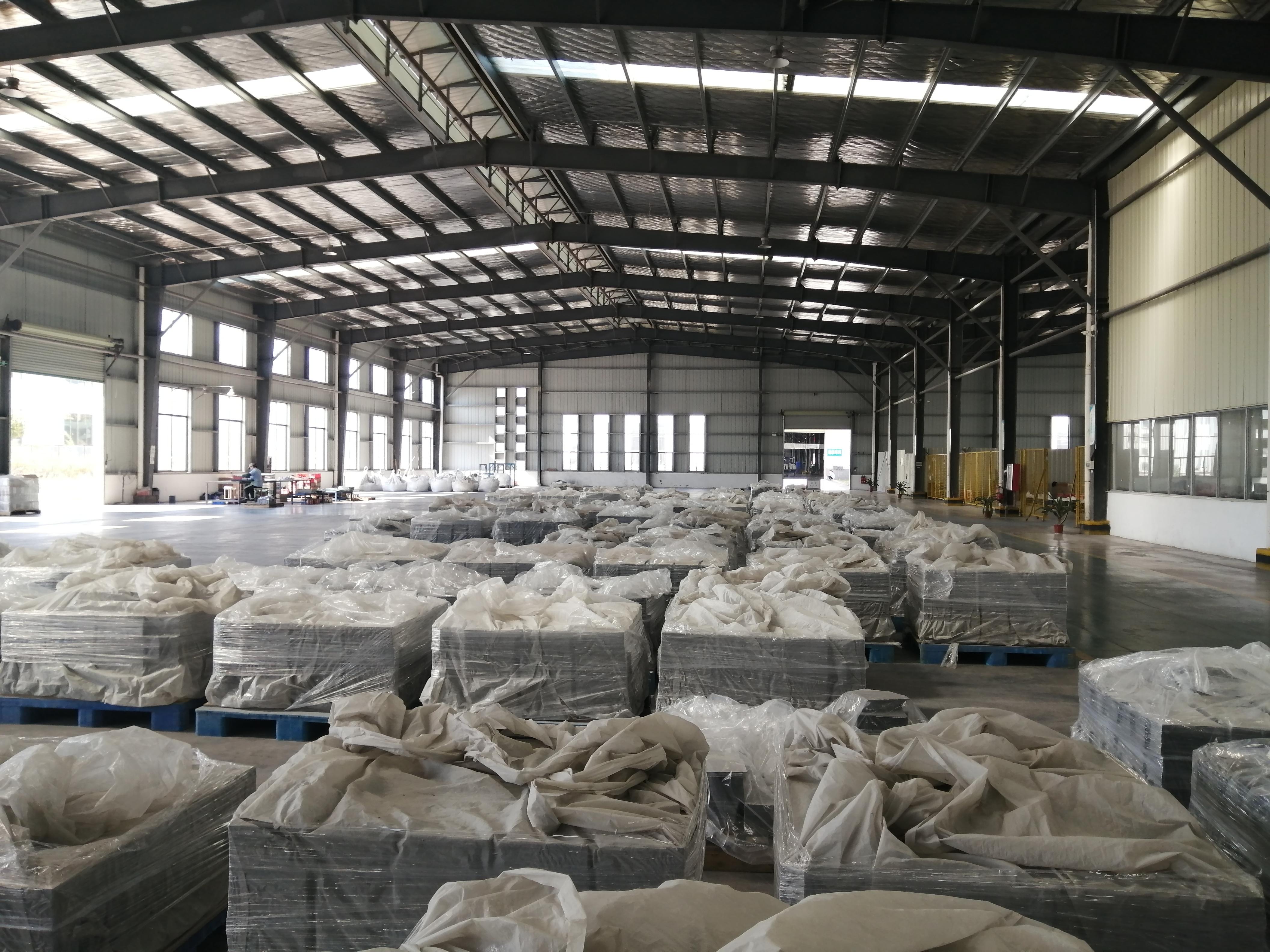
What are the Plates in a Lead Acid Battery?
At first glance, the plates in a lead acid battery might seem unassuming, mere slabs of metal submerged in an electrolyte. Yet, these plates are where the alchemy of electricity occurs. A SLA battery typically contains two types of plates: the positive plates, coated in lead dioxide (PbO2), and the negative plates, made of sponge lead (Pb). When the storage battery is in use, a fascinating chemical reaction unfolds between these plates and the sulfuric acid electrolyte, producing electricity.The Role of Each Plate
In a lead acid battery, the positive and negative plates have distinct roles that are crucial during charging and discharging. During discharge, a chemical reaction occurs where the lead dioxide on the positive plates reacts with sulfuric acid to produce lead sulfate and water. Simultaneously, the sponge lead of the negative plates also transforms into lead sulfate. This process results in the flow of electrons, providing the battery's power. Conversely, when charging, electricity reverses these reactions. The lead sulfate on both types of plates is converted back to lead dioxide and sponge lead, effectively recharging the battery. This interplay between the plates during charge and discharge cycles is essential for the battery's efficient performance and longevity. Maintaining this balance is critical, as improper charging or discharging can lead to reduced battery health and lifespan.
Manufacturing Technology of Lead-Acid Battery Plates
The creation of lead acid battery plates is a complex process that combines precise engineering with sophisticated chemistry. It starts with the formation of lead grids, serving as the foundation for the active materials that facilitate the battery's energy reactions.Material Sourcing and Grid Formation
The process begins with sourcing high-quality lead. This lead is often refined to achieve exceptional purity, crucial for the battery's efficiency and lifespan. In some cases, it's alloyed with elements like antimony, calcium, or tin, enhancing the final product's strength and electrical conductivity. This lead, once prepared, is molded into grids. These grids are not just structural supports; they're integral to the battery's electrochemical reactions, designed to maximize surface area for the active material.
Applying the Active Material
The next step is the application of the active material onto the grids. Positive plates are coated with a lead dioxide paste, while negative plates receive a sponge lead mixture. This pasting process is critical - the consistency, purity, and application method of the paste directly affect the battery's performance. The quality of this step can determine the efficiency of the charge-discharge cycles and the overall longevity of the battery.
Curing and Final Preparation
Once coated, the plates undergo a curing process. This isn't just drying; it's a series of controlled chemical reactions that solidify the paste into a durable and electrochemically active layer. This curing process is carefully monitored to ensure that the plates develop the right microstructure, which is vital for their performance. The cured plates are then assembled into battery cells, ready to be filled with electrolyte and sealed.
Each step in this process, from material sourcing to curing, is essential to producing high-quality lead acid battery plates. The technology behind this manufacturing process is continually evolving, aiming for more efficient, durable, and environmentally friendly batteries.
How to Clean Lead Acid Battery Plates
Maintaining lead acid batteries is not just about ensuring a long life; it`s also about optimizing performance. One of the key maintenance tasks is cleaning the plates, which can become sulfated over time, diminishing their efficiency.The Cleaning Process
Cleaning lead acid battery plates is a delicate procedure. Begin by carefully opening the battery cells, ensuring you're wearing protective gear, including gloves and goggles. The primary goal is to remove the sulfate build-up without damaging the plates. This can be done using a solution of distilled water and Epsom salts. The mixture is added to each cell, and the battery is gently shaken to ensure the solution reaches all areas of the plates.
Safety Precautions
Safety cannot be overstressed when dealing with lead acid batteries. The sulfuric acid within is highly corrosive, and the batteries themselves can produce explosive gases. Always work in a well-ventilated area, avoid sparks or flames nearby, and be sure to dispose of any waste materials safely and responsibly.
How to make lead acid battery plates at home
While manufacturing lead acid battery plates at home is ambitious, it can be an enlightening project for enthusiasts. However, it's crucial to approach this with a clear understanding of the risks and complexities involved.Materials and Tools Needed
You`ll need lead or lead alloy, a mold for the plates, a source of heat for melting and casting the lead, and the chemicals for the active material coating. It`s essential to source high-quality, pure lead for this purpose.
The Manufacturing Process
Melting and Casting: Melt the lead in a controlled environment and pour it into the plate molds. Once cooled, you`ll have the basic form of your battery plates.
Applying the Active Material: For positive plates, apply a paste of lead dioxide, and for negative plates, a sponge lead mixture. This can be done using a brush or a spatula.
Curing and Drying: After application, the plates must be cured. This step is crucial as it converts the paste into a durable and reactive material.
Safety and Troubleshooting
Working with molten lead and chemicals is hazardous. Adequate ventilation, protective clothing, and safety equipment are non-negotiable. Be prepared to troubleshoot issues like uneven plate formation or improper curing, which are common in homemade processes.