

Three Red Flags Your Car Batteries Need Replacement
Dashboard Chaos + Engine Stall
If your engine takes over three seconds to start with a "grunting" sound, accompanied by wildly flickering dashboard lights, your automotive batteries are critically discharged. At this point, the battery’s capacity has plummeted—even if you manage to start the car, it could fail again at any moment.
Dim Lights = Internal Damage
During night drives, if your headlights suddenly dim like a dying phone, or interior lights flicker, it’s a sign of aging or leaking car batteries. Internal structural damage disrupts stable power supply, leaving you vulnerable in the dark.
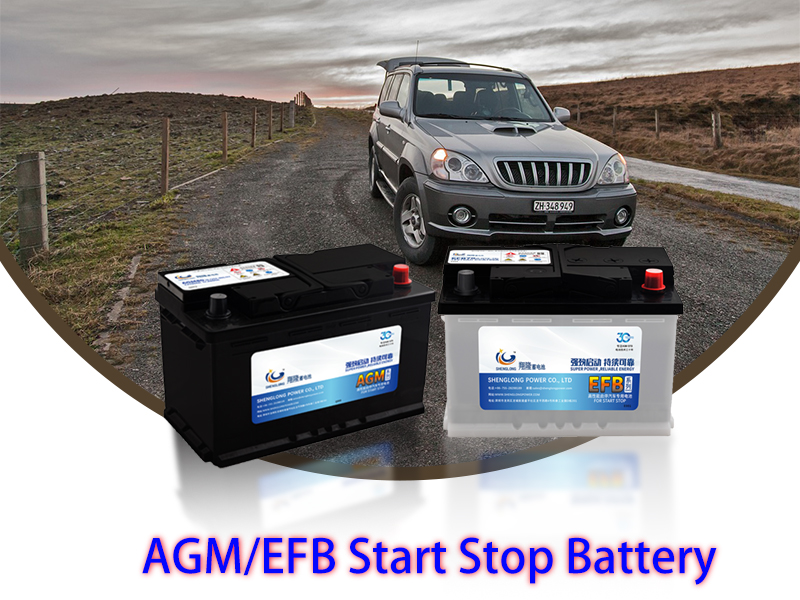
Fault Codes + 45% Capacity Threshold
A battery warning light on the dashboard or a professional diagnosis showing capacity below 45% means your 12V AGM car batteries are operating at critical levels. Replace them promptly to avoid roadside breakdowns.
5 Critical Maintenance Practices for AGM Start Stop Battery Longevity
Prevent Oxidation During Rainy Seasons
Humidity accelerates corrosion on battery terminals. Use hot water (after disconnecting power) to clean terminals, then apply petroleum jelly or grease to protect against oxidation and ensure reliable connections.
Revive Dormant Automotive Batteries
For long-term parked cars:
Start the engine every two weeks and idle for 20+ minutes.
Disconnect the negative terminal to prevent self-discharge.
Use a smart charger to maintain optimal charge levels.
Avoid Parasitic Drain
Never use accessories like AC, stereos, or chargers when the engine is off. These habits drain car batteries rapidly, accelerating AGM Start Stop Battery wear.
Check Electrolyte Levels (Traditional Lead-Acid Batteries)
For non-AGM batteries, inspect electrolyte levels regularly. Top up with distilled water (not tap water) to maintain chemical efficiency and extend lifespan.
Beat the Heat
High temperatures accelerate plate corrosion and electrolyte evaporation in 12V AGM car batteries. Park in shaded areas to minimize heat exposure, especially in summer.
Expert Insights for Automotive Batteries
Average Lifespan: 3-5 years for standard car batteries; AGM Start Stop Battery systems may last longer with proper care.
Avoid "Slow Death": Frequent short trips and stop-start driving weaken batteries. Occasional highway drives at 2000+ RPM recharge them efficiently.
By recognizing these warning signs and following our maintenance guide, you’ll save money on replacements and avoid stranded moments. Remember: Your dashboard’s flickering isn’t just a glitch—it’s your automotive batteries crying for help!
Next Article: How to Test Your Car Battery’s Health at Home.
Don’t forget to share this guide with fellow drivers to keep their AGM Start Stop Battery and 12V AGM car batteries performing at their best!