

Selecting the appropriate UPS battery is crucial for ensuring that your equipment is adequately shielded from power outages and fluctuations. This choice necessitates a thoughtful consideration of factors such as battery type, capacity, voltage, and compatibility with your UPS system. In this article, we will delve into how to choose a UPS battery, explore the operational principles of UPS systems, and underscore the advantages of employing an OREMA high rate battery.
The operational principles of Uninterruptible Power Supply (UPS) systems ensure the uninterrupted flow of power to electronic devices despite temporary power outages or voltage irregularities. These systems are categorized into three main types: standby, line-interactive, and double-conversion.
The standby UPS provides fundamental protection by monitoring the incoming utility power and transitioning to battery power upon detecting a power failure. This type is suitable for non-critical applications where brief interruptions in power supply are not harmful.
Line-Interactive UPS: This system regulates incoming voltage and switches to battery power during outages. It provides better voltage regulation than standby UPS but may still experience transitory power disruptions during the switch.
Double-Conversion UPS: This advanced system continuously powers the load from its inverter, which is driven by the battery and a rectifier that converts AC power to DC. It provides the highest level of protection, ensuring clean, consistent power regardless of utility power quality.

Choosing a UPS Battery
When selecting a UPS battery, consider the following factors:
Battery Type: Lead-acid batteries are cost-effective and widely used but require regular maintenance. Lithium-ion batteries offer longer lifespans, higher energy density, and less maintenance but come at a higher cost.
Battery Capacity: Determine the total load you need to support and the duration of backup power required. A common rule is to have enough capacity for 15-30 minutes of backup time.
Battery Voltage: Ensure that the battery's voltage matches your UPS system's requirements to avoid compatibility issues or reduced efficiency.
Compatibility: Check that the battery is designed for use with your specific UPS model, paying attention to manufacturer specifications and compatibility lists.
Brand Reputation and Warranty: Choose batteries from reputable manufacturers with a history of reliability and customer support. Look for generous warranties as an indicator of expected lifespan and durability.
Environmental Considerations: If sustainability is a priority, lithium-ion batteries generally offer a smaller environmental footprint due to their longer lifespan and recyclability.
Installation and Maintenance: Some batteries may require special installation procedures or regular maintenance tasks like watering or equalization charges. Consider your capabilities and preferences before choosing a battery type.
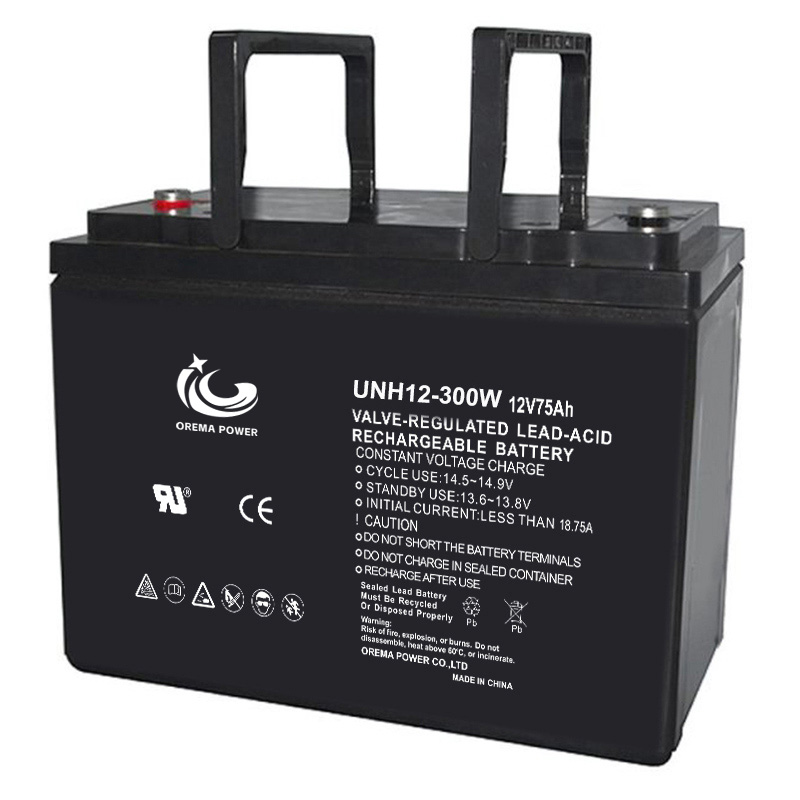
OREMA High Rate Battery in UPS Applications
An OREMA high rate battery is specifically designed to provide high discharge rates for short periods, making it ideal for UPS applications where immediate, reliable backup power is crucial. These batteries are constructed with thick plates that can quickly deliver large amounts of power without damaging the internal structure. They are suitable for both standby and line-interactive UPS systems where rapid response to power interruptions is necessary.
Selecting the right UPS battery involves understanding your power protection needs, evaluating different battery types, and considering factors such as capacity, voltage, and compatibility. Incorporating an OREMA high rate battery into your UPS system can enhance performance during critical power outages, ensuring that your equipment remains operational and protected.