

While battery backup sump pump systems play an important role in basement waterproofing, the battery itself that powers such systems is equally important, if not more. The best backup system in the world may be completely useless if the actual battery is one of poor quality.
AGM (Absorbed Glass Mat), no-maintenance batteries are the best battery for supplying DC currents to battery backup sump pump systems. Most large rechargeable batteries are lead-acid type, as opposed to NiCads, which are generally more expensive. The acid in a lead-acid type marine battery will generally contain 30% sulfuric acid at a full charge. Based on OREMA's more than 20 years of experience as a supplier of battery backup pump systems to European contractors, the most effective battery is the AGM-absorbing glass pad.
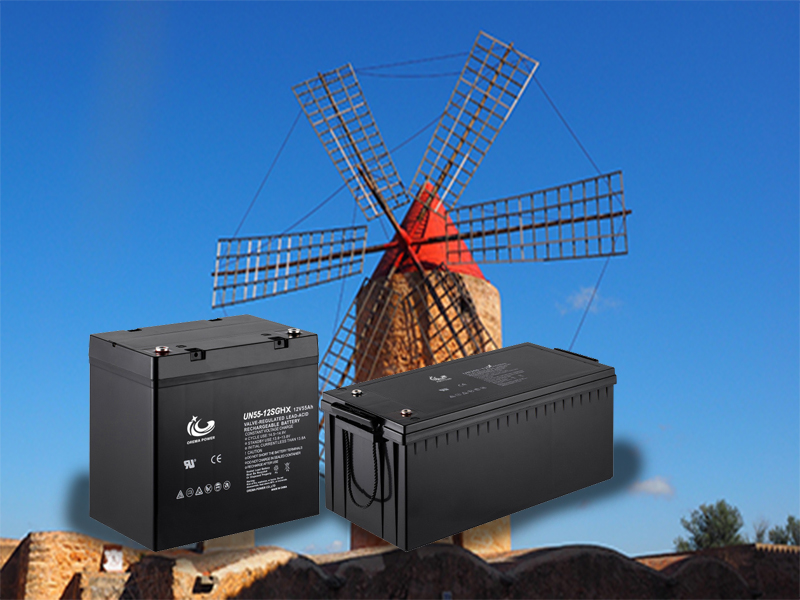
Most typical gelled batteries contain the combination of acid and silica gel. AGM batteries provide all the advantages that come with gelled batteries. They do not, however, exhibit the disadvantages of gel batteries. The acid in an 12V AGM battery is contained by the fiberglass mat, and yet is still available for the battery’s plates, resulting in faster migration of acid. This gives the battery a higher rate of delivery and absorption of amperage. Most typical gelled batteries must be charged at a slower rate to prevent cell damage from excess gas.
AGM batteries can be charged at normal voltages, without the need to recalibrate, or purchase special chargers. There are no charge or discharge current limits. With AGM’s low internal resistance, the buildup of heat is almost non-existent, during normal and heavy charged and discharged currents. Other gelled batteries have the potential to lose capacity if overcharged due to voids developing in the gel.
With the 12V AGM battery’s low self-discharge of one to three percent average per month, they are able to be stored for a longer period of time without charging versus other batteries. Even if discharged for more than 30 days, an 12v AGM battery can be recharged to almost full capacity.
Through electrolysis, AGM batteries preserve water as they charge. This is possible because of the recombining of hydrogen and oxygen, thus converting to water while inside the battery. Water loss in other gelled batteries, especially in hotter climates, is quite common and often leads to the premature death of a battery after a few short years. With the 12V AGM battery, water loss is not a problem, making it maintenance-free.
Because of the mounted plates, acid will not leak or spill from AGM batteries. Because the plates are packed tightly, they can withstand shock and vibration. AGM batteries are completely non-hazardous, making them a more viable (and cheaper) option for shipping.
When considering the purchase of a battery backup sump pump system, insisting that the pump uses an 12V AGM battery would be the wisest choice in order to maximize the effectiveness of the sump pump.
OREMA UN series 12V AGM Batteries represent the zenith of sealed lead acid battery technology. Fabricated with ultra-high purity lead, these 12V Rechargeable batteries set the standard in performance and durability, serving a multitude of applications with unmatched efficiency.OREMA 12v AGM Battery is designed for diverse applications, from emergency backup and renewable energy systems to UPS and recreational vehicles. Their robust construction and reliable performance make them suitable for a wide array of uses, ensuring uninterrupted operation in critical situations.
Frequently Asked Questions (FAQs)
To round off, let's address some common queries about AGM batteries
Q: Can I overcharge an AGM battery?
A: Yes, overcharging is a risk, particularly with older chargers not designed for AGM technology. It can lead to excessive heat and pressure buildup, potentially causing the battery to swell or even burst. Always use a charger with an AGM setting to prevent overcharging.
Q: How often should I test my AGM battery?
A: Regular testing is key. A monthly voltage check and a more comprehensive test every six months is a good rule of thumb. However, if you notice any signs of weakness or irregularity, don't wait test it immediately.
Q: What's the best way to store an AGM battery?
A: If you're not going to use your AGM battery for an extended period, store it in a cool, dry place. Ideally, it should be kept at a partial charge state (around 12.6 volts), and you should top it up every three to six months to prevent deep discharge.
Q: Do AGM batteries go bad?
Just like any battery, AGM batteries come with a finite lifespan. However, what sets AGM batteries apart is their impressive durability. They are capable of delivering consistent performance for a period of 5 to 7 years, which stands out in comparison to other battery types.
There's a certain satisfaction in knowing that you're taking good care of your 12V AGM battery. With these tips and techniques, you're well-equipped to ensure its health and longevity..Regular inspections, voltage checks and proper charging methods are the panacea for keeping AGM batteries in top condition.