

In recent years, technological innovation has accelerated, leading to more functional and durable products. Among these advancements, the Absorbed Glass Mat (AGM) battery stands out as a significant improvement over traditional flooded lead-acid batteries. Designed in the early 1980s, AGM batteries are known for their maintenance-free nature and spill-proof qualities due to the electrolyte being absorbed within a glass mat. This makes them an excellent choice for applications requiring quick charging and minimal upkeep.
Conversely, flooded lead-acid batteries, in use for over 150 years and commonly referred to as wet cell batteries, contain free electrolyte that requires regular maintenance. These batteries have historically been favored for their cost-effectiveness and reliability across various applications, including vehicles and renewable energy systems.
Choosing between AGM and flooded lead-acid batteries involves considering specific needs and budget constraints. AGM batteries are ideal for situations where quick charging and low maintenance are priorities, while flooded batteries may be preferred for their lower initial cost and proven track record in a wide range of applications.
What is an AGM Battery?
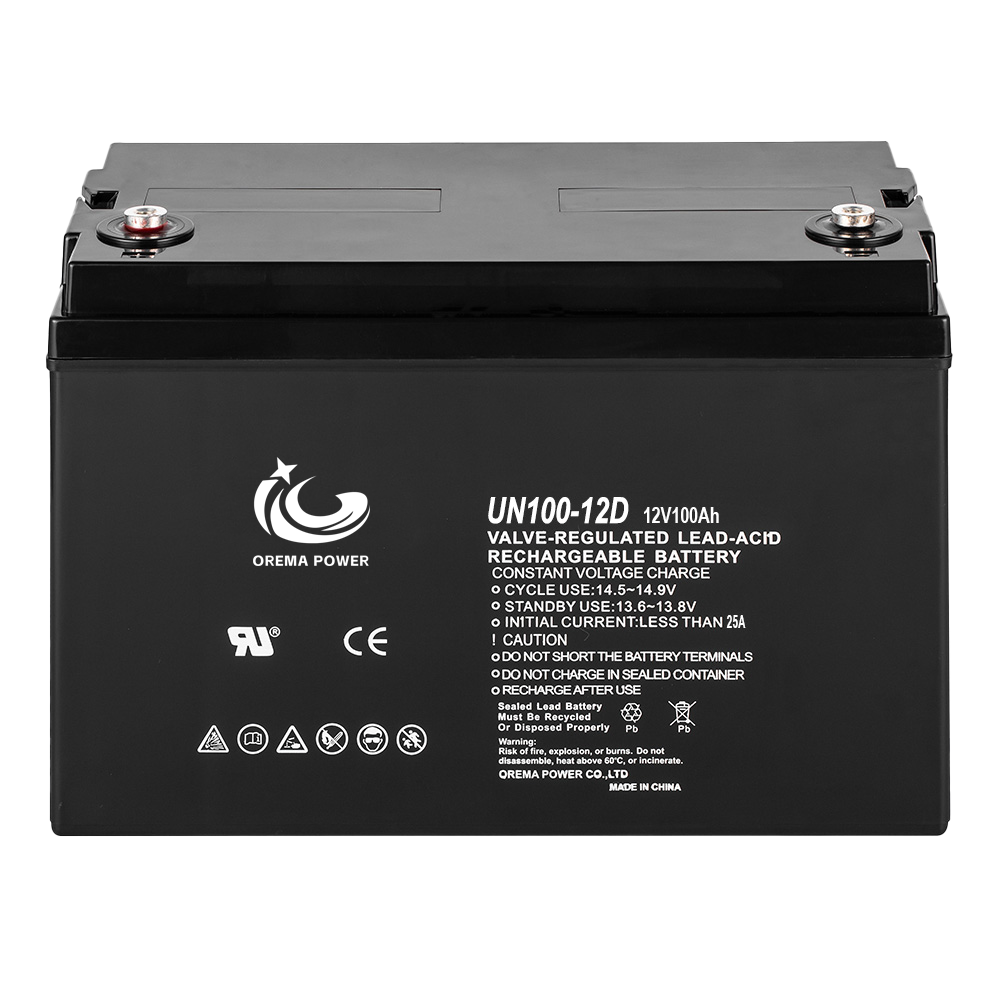
An AGM battery, or Absorbent Glass Mat battery, is a type of lead-acid battery that stands out for its unique construction. In these batteries, the electrolyte is absorbed by a mat of fine fiberglass, which ensures the prevention of spills and offers a higher degree of safety. The adventurous amongst us might liken it to a thirsty sponge, readily soaking up all the liquid, ensuring a clean and tidy environment. The AGM battery, hence, is like that responsible member in a family, always maintaining order and cleanliness!
Can I Replace an AGM Battery with Lead Acid?
AGM batteries are often chosen for installations in vehicles from the factory, particularly where high heat tolerance is needed or in tight, confined spaces. This is because AGM batteries are more reliable under such conditions, unlike flooded lead-acid batteries which are prone to overheating and may release harmful acid fumes if not ventilated properly. Moreover, AGM batteries do not require water additions, are less prone to corrosion, and offer better vibration resistance, making them more durable and reliable.
Conversely, lead-acid batteries, while cheaper, come with several disadvantages. They require more frequent maintenance, must be kept upright to avoid acid spillage, and generally have a shorter lifespan and lower performance under high load conditions. In automotive applications, particularly modern cars equipped with start-stop technology or vehicles originally equipped with AGM batteries, substituting with a lead-acid battery could result in decreased performance and potential issues with the electrical system.
For renewable energy storage systems, such as those used with solar panels, AGM batteries are preferable due to their superior ability to handle deep discharges and overall better performance and safety profile.
Can I Charge an AGM Battery with a Normal Charger?
How Can You Tell if a Battery is AGM or Lead Acid?
Venturing deeper into the battery world, distinguishing between an AGM and a traditional lead-acid battery can sometimes feel like a treasure hunt. Typically, the information is mentioned on the battery label, usually proudly displaying its AGM pedigree. Moreover, AGM batteries have a discernible heft due to the glass mat inside them. It's akin to identifying a rare breed in a herd - it stands out due to its distinctive characteristics and superior attributes.
AGM Batteries: A Special Member of the Lead-Acid Family or A Gel Battery?
But wait, there's more to this story. When we talk about gel batteries, we're looking at another variant in the lead-acid family. Gel batteries use a gel-like substance in which the sulfuric acid is suspended. This gel state allows these batteries to reduce spillage risks, similar to AGM batteries, but with a different approach.
So, what's the connection here? Both AGM and gel batteries are offshoots of the standard lead-acid battery, designed to offer safer, more durable alternatives. They share the same fundamental lead-acid chemistry but differ in how they contain and manage the acid. AGM batteries use a fiberglass mat to absorb and immobilize the acid, while gel batteries use a gelatinous substance for the same purpose. This makes both types less prone to leaking and more resilient to various conditions compared to their traditional lead-acid counterparts.
AGM vs. Standard Battery
Maintenance Needs:
AGM batteries are virtually maintenance-free, a feature facilitated by their sealed construction which eliminates the need for regular electrolyte replenishment. This design prevents the escape of gases under normal conditions, thus reducing the risk of electrolyte loss that's common in standard batteries. AGM batteries can also be installed in various positions and confined spaces such as under seats or in trunk areas without the risk of leakage.
Robustness and Durability:
Developed initially for military and aviation applications, AGM batteries are built to endure tough conditions, including high vibrations and shocks-common challenges during off-roading or vigorous driving. The tough sandwiched mats and plates in AGM batteries provide superior protection to the internal components compared to the more fragile structure of standard batteries.
Efficiency and Power Output:
AGM batteries feature low internal resistance, significantly enhancing their efficiency. They generate less heat and provide higher voltage output, making them ideal for vehicles with high electronic demands. This low resistance also means AGM batteries charge faster than their flooded counterparts, though they must be paired with chargers designed to prevent overcharging, as their sealed nature makes them sensitive to thermal runaway.
Temperature and Vibration Resistance:
The construction of AGM batteries allows them to operate effectively in extreme temperatures. Their electrolyte doesn't freeze or expand in cold conditions, avoiding the internal damage that often plagues standard batteries. In hot climates, the sealed design of AGM batteries prevents the loss of electrolytes through evaporation-a common issue in flooded batteries.
Deep Discharge and Longevity:
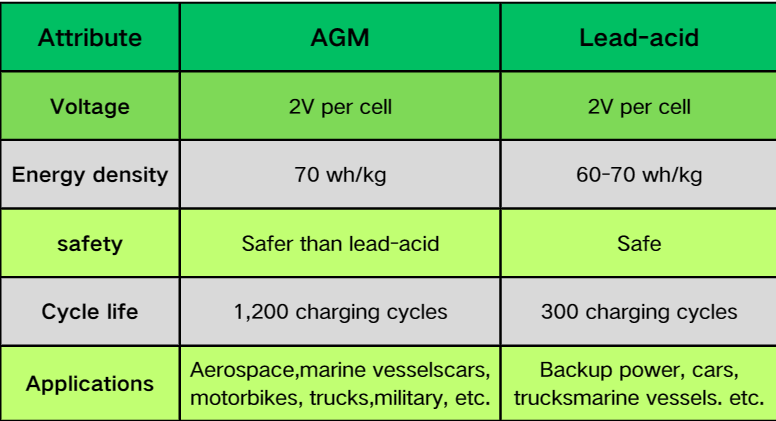
AGM batteries support a deeper discharge, up to 80% capacity, making them excellent for deep cycle applications like powering RVs and boats. However, it's recommended to keep discharges to about 50% to extend battery life. Despite their higher upfront cost, AGM batteries offer a longer lifespan-up to seven years if well-maintained-compared to the three to five years typical of standard batteries.
Special Features for Enhanced Performance:
AGM batteries are equipped with special valves that regulate the escape of gases, maintaining internal pressure and preventing water loss which can degrade battery performance. These batteries are also less susceptible to sulfation and corrosion, thanks to their ability to retain electrolytes more effectively than their standard counterparts.
Cost and Value:
While AGM batteries are more expensive initially, their extended service life and superior performance parameters justify the investment, particularly for applications requiring robust, long-lasting power sources without frequent maintenance.
Do AGM Batteries Have Lead?
Does the AGM Battery Leak Acid?
Lead-Acid vs AGM for Car
Lead-Acid Batteries: The Trusty Companion for Standard Cars
AGM Batteries: The High-Performance Maverick
Lead-Acid vs AGM for Solar
Lead-Acid Batteries: The Conventional Solar Companion
AGM Batteries: The Low-Maintenance, Efficient Alternative
The Solar Showdown: Which One Shines Brighter?
In choosing the right battery for your solar power system, consider your willingness to perform regular maintenance, your budget, and how critical efficiency and longevity are to your setup. Lead-acid batteries offer a lower initial investment but require more upkeep, while AGM batteries, with their higher upfront cost, promise ease of use, efficiency, and a longer life cycle. Your choice will light the path to your sustainable energy future.
Lead-Acid vs AGM for RV
Lead-Acid Batteries: The Old-School Workhorse
AGM Batteries: The Modern, Hassle-Free Alternative
The Showdown: What's Best for Your RV Lifestyle?
In the end, it's about matching your travel style with the right battery. Lead-acid batteries offer a budget-friendly option for the casual traveler, while AGM batteries provide a worry-free experience for the avid adventurer. Which road will you take?
Are AGM Batteries Better for Deep Cycle?
Are AGM Batteries Better for Marine?
As we sail into the marine sector, AGM batteries emerge as the captain steering the ship steadily through turbulent waters. With their spill-proof nature and resistance to vibrations, they prove to be a sailor's best companion, ensuring a smooth and safe journey. Their maintenance-free aspect also means you can enjoy the sea's beauty without worrying about constant battery check-ups. It's almost as if having a skilled sailor with you who knows the sea like the back of his hand, making your marine adventures fuss-free and delightful!
Whether it's for your RV, car, or solar power system, understanding the differences between lead-acid and AGM batteries is essential for making the best choice. If you have any questions or need advice, the experts at OREMA Batteries are always here to help and share insights. We're passionate about helping you power your world!
FAQs about AGM vs. Lead Acid
Can AGM batteries be used in any application that uses lead-acid batteries?
Generally, yes. AGM batteries can often be used as direct replacements for lead-acid batteries because they provide similar voltages. However, AGM batteries offer higher performance and are better suited for applications requiring durability, such as in vehicles with start-stop technology, high-end motorcycles, or renewable energy systems.
Are AGM batteries worth the extra cost?
For many applications, yes. AGM batteries are more expensive initially, but their benefits-such as longer life, lower maintenance, better tolerance to temperature extremes, and greater vibration resistance-often justify the higher upfront cost, especially in critical or high-performance applications.
Can you charge an AGM battery with a lead-acid charger?
Yes, but with caution. It`s important to use a charger that has a setting for AGM batteries because they require a different charging voltage than lead-acid batteries. Overcharging an AGM battery with a charger not designed for it can reduce the battery`s lifespan or damage it.
How much longer do AGM batteries last than Lead Acid?
It's often observed that an AGM battery may have a lifespan that is two to three times greater than that of a conventional flooded battery. Taking the scenario of a commuter car as an example, where a typical flooded battery might have a life expectancy of three to five years, an AGM battery could potentially last from six to ten years, possibly even more.
Is AGM better than lead acid in cold weather?
Despite numerous advancements, the performance of lead acid batteries continues to be significantly influenced by cold conditions. AGM batteries, known for their durability, consistently outperform lead acid batteries in lower temperatures. However, it's important to note that extreme cold can affect the efficiency of any battery type.