

The Obvious Choice: Under the Hood
The most common place to find an automotive battery is under the hood. To access it, simply pull the hood release lever, usually located on the lower left side of the driver's seat. Once the hood is open, look for a rectangular black box with a red positive terminal cover and thick cables attached. This is your battery. Most batteries have clear "+" and "-" markings, and the positive terminal is typically red, while the negative is black. Some vehicles may also have a dust cover or plastic protective shell over the battery.
The Trunk Treasure: AGM Start Stop Battery in Stop - Start Vehicles
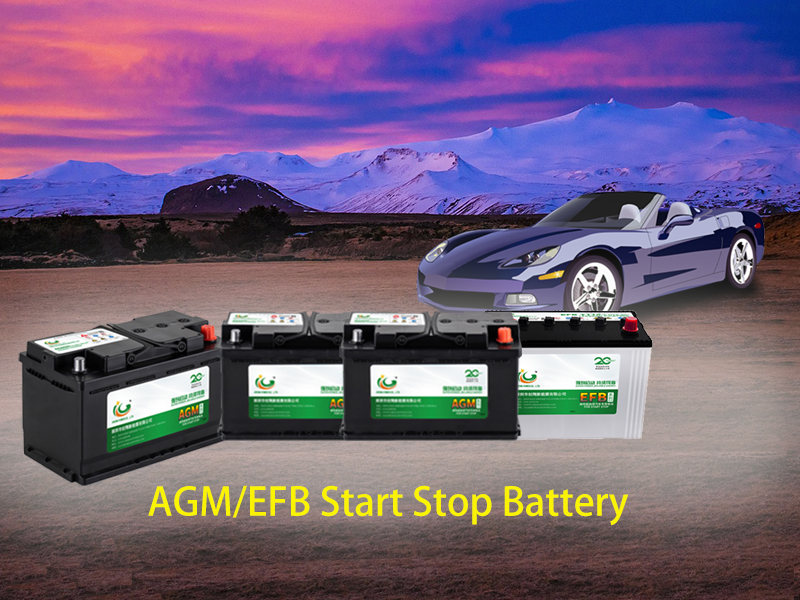
For vehicles equipped with an automatic start - stop function, the AGM Start Stop Battery is often relocated to the trunk. This strategic placement serves multiple purposes. By moving the battery away from the high - temperature engine area, its lifespan is extended. Additionally, it frees up space in the engine compartment for more sophisticated components. The trunk's flat surface is also ideal for accommodating the larger size of AGM start stop batteries.
To find the battery in the trunk, open the trunk and lift the carpet. It's commonly found around the spare tire area or in a recess on the left sidewall. Some models may have a metal frame securing the battery and independent cooling holes for better ventilation.
The Sneaky Spot: Under the Passenger Seat
Believe it or not, some car manufacturers, especially those of luxury or new energy vehicles aiming for maximum space utilization, place the battery under the passenger seat. If you've searched the engine bay and trunk to no avail, this could be where your car battery is hiding. Look for a removable plastic cover or fabric layer beneath the passenger seat. When accessing it, first adjust the seat all the way forward. Then, carefully remove the cover, taking care not to disrupt the seat's electrical wiring.
Troubleshooting a Struggling Start
When your vehicle experiences issues like a rapid "click - click" sound during startup or flickering dashboard lights, follow these steps to diagnose the problem:
Locate the Battery: Check the three locations mentioned above.
Inspect the Terminals: Ensure the cable connections are tight. Gently wiggle them to check for looseness, and use a wrench to tighten if necessary. Look for white or green corrosion on the terminals. If present, you can clean it with hot water and apply petroleum jelly to prevent further corrosion. Also, examine the battery case for any signs of swelling or deformation, which indicates it needs immediate replacement.
Know When to Seek Professional Help: If your battery is over three years old, if you fail to start the engine multiple times and the infotainment screen restarts frequently, if the corrosion is severe, or if the problem persists after your initial checks, it's best to consult a professional. Incorrect handling can lead to short circuits or even more serious issues. When using a jump - starter or an emergency starting power source, always connect the positive terminal first, then the negative. The negative should be connected to a metal grounding point on the vehicle body, not directly to the battery's negative terminal, to avoid the risk of sparks and potential battery explosions.
Maintenance Tips for Your Car Batteries
Regular Inspections: Check the terminal tightness once a month.
Long - Term Storage: If your vehicle will be idle for an extended period, disconnect the negative terminal to prevent battery drain.
For Stop - Start Vehicles: Avoid frequent short trips, as they can cause the AGM start stop battery to discharge quickly.
Replacement: When it's time to replace your battery, choose one that matches the original manufacturer's specifications.
By knowing these hidden battery locations and following these maintenance and troubleshooting tips, you can ensure that your automotive battery stays in top condition and avoid any unexpected breakdowns on the road.