

Extreme Temperatures: The "Invisible Killer" of Batteries
In some southern regions of China, summer temperatures often soar to 35°C or even higher. Excessive heat can cause the liquid inside the battery to evaporate rapidly, reducing the battery capacity and accelerating its wear and tear. Car batteries have a fixed lifespan, and high - temperature environments can damage the internal structure of the battery, further shortening this period and often leading to sudden and unexpected battery failures. At the same time, in the winter in northern China, the temperature may drop to minus ten degrees Celsius or even lower. Low temperatures can significantly slow down the chemical reaction rate inside the battery, increase the internal resistance of the battery, and reduce the battery's output power, also affecting the normal use of the battery and making it difficult to start the vehicle.
Prevention Strategies: In hot southern regions, when parking daily, try to park your car in a shaded area such as a underground parking lot or under a tree to isolate the battery from the extreme heat. Also, develop the habit of regularly checking the battery fluid level (for traditional lead - acid batteries that require fluid maintenance) and carefully inspecting the battery terminals and other parts for signs of corrosion. Once detected, it is likely that the battery has been damaged by high temperatures. In cold northern regions, before winter arrives, consider installing a battery warming cover for the vehicle to create a relatively warm environment for the battery. Moreover, after long - term parking in a low - temperature environment, before starting the vehicle for the first time, turn the key to the power - on position, let the vehicle self - check and wait for a while to give the battery a short pre - heating time, and then try to start the engine.
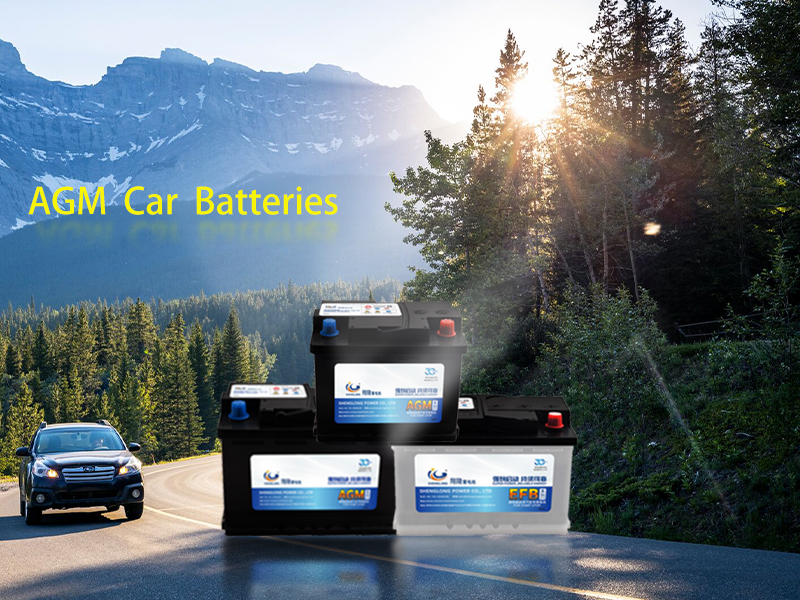
Automotive batteries, including AGM Start Stop Batteries and EFB Start Stop Batteries, are also vulnerable to extreme temperatures. AGM batteries, with their advanced absorbent glass mat technology, can be more sensitive to high temperatures as the heat may affect the electrolyte saturation within the mat. EFB batteries, designed for start - stop systems, may experience reduced performance in cold temperatures due to the increased difficulty of the chemical reactions needed for quick restarts.
2. Long - Term Idleness: The "Silent Thief" of Battery Power
For cars that are left idle for a long time, their batteries are extremely prone to running out of power. Even when the vehicle is turned off, some systems will continue to consume a small amount of power. Over time, the battery will be overwhelmed. In addition, when the vehicle is not used for a long time, sulfate will gradually accumulate on the battery plates, seriously affecting the battery's power storage performance. This situation was more common during the epidemic or when car owners were on long business trips or vacations.
Prevention Strategies: If the vehicle is used infrequently, it is advisable to start the engine every few days and let the vehicle run for about 10 to 15 minutes to maintain the battery power. If the vehicle will be idle for a long time, using a trickle charger is a good option. It can continuously replenish the battery power to ensure the battery is always in good condition. In addition, during the vehicle's idle period, the negative terminal of the battery can be disconnected to reduce the power consumption of the vehicle's static current on the battery. However, it should be noted that before using the vehicle again, the negative terminal of the battery must be correctly connected to avoid other problems caused by improper operation.
Whether it is a regular car battery, an AGM Start Stop Battery, or an EFB Start Stop Battery, long - term idleness can cause similar issues. The self - discharge rate of these batteries during idleness may vary slightly, but all are at risk of sulfate build - up, which can degrade the battery's performance over time.
3. Alternator Failure: The "Stumbling Block" in the Charging Process
The alternator plays a crucial role in charging the battery during the operation of the vehicle. Once the alternator fails, the battery cannot be charged properly, and the power will be quickly drained, and may even lead to the complete failure of the battery. After all, when the engine is running, the entire electrical system of the vehicle relies on the alternator for power supply. Any failure of the alternator may force the battery to over - work and accelerate its wear and tear. Alternator failures can be caused by various reasons, such as internal coil short - circuits, excessive brush wear, and voltage regulator failures.
Prevention Strategies: During daily driving, pay more attention to the abnormal performance of the vehicle. For example, if the headlights suddenly dim, strange noises occur when starting the vehicle, or the charging indicator light on the dashboard lights up abnormally, these may be signs of alternator failures that cause battery problems. Regularly conducting a comprehensive maintenance check on the vehicle is an effective means to detect alternator problems early. It is generally recommended that for every certain mileage (such as 20,000 - 30,000 kilometers), a special inspection of the alternator be carried out, including measuring the output voltage, checking the belt tension, and inspecting the wear of internal components. Once you suspect that there is a problem with the alternator, you should promptly go to a professional and reliable auto repair shop for accurate diagnosis and repair.
For AGM Start Stop Batteries and EFB Start Stop Batteries, which are more sensitive to charging voltage and current due to their specific functions in start - stop systems, an alternator failure can have more serious consequences. Incorrect charging voltage may not only fail to charge these batteries properly but also cause damage to their internal structures, reducing their lifespan and performance.
4. Corrosion and Loose Connections: The "Obstacle" to Current Transmission
Corrosion of the battery terminals or loose connections will seriously interfere with the normal transmission of current between the battery and the vehicle's electrical system. In some coastal areas of China, where the air humidity is high and contains salt, the battery terminals are more likely to be corroded. Usually, white powdery corrosion residues can be seen around the battery terminals. This situation will cause the battery power to be lost inexplicably and may even prevent the vehicle from starting at critical moments. In addition, the vehicle will inevitably vibrate during driving, and long - term vibration may loosen the screws at the battery connection parts, affecting the stability of current transmission.
Prevention Strategies: Regularly clean the battery terminals, promptly remove the accumulated dirt, oxides, and other impurities on the surface, and carefully check all connection parts to ensure their stability and reliability. Special battery terminal cleaners or baking soda water (mix baking soda and water in a certain proportion) can be used to clean the battery terminals. After cleaning, dry with a dry cloth and apply an appropriate amount of petrolatum or special anti - corrosion grease to enhance the protection effect. At the same time, check whether the screws at the battery connection parts are loose every once in a while (such as during each vehicle maintenance). If loose, tighten them in a timely manner. If the car owner is not familiar with self - maintenance operations, he can go to a professional auto repair station and let professional technicians conduct a comprehensive health check and maintenance on the battery to ensure that the battery connections are always in the best condition.
Corrosion and loose connections can affect all types of car batteries, including AGM Start Stop Batteries and EFB Start Stop Batteries. Due to their more complex internal structures and higher requirements for electrical connections, these problems can lead to more significant performance degradation and even failure of these advanced batteries.
5. Battery Aging: The Inevitable "Natural Wear and Tear"
No matter what elaborate maintenance measures are taken, battery aging is an inevitable natural process. Generally, the lifespan of car batteries ranges from 2 to 5 years, and the actual length is affected by various factors such as driving habits, driving environment, and usage frequency. Frequent short - distance driving, the vehicle being in a high - temperature or low - temperature environment for a long time, and over - discharging will all accelerate battery aging.
Prevention Strategies: Car owners should keep in mind the installation time of the battery and establish a battery replacement record file. When the battery is approaching or has reached its expected service life, consider proactive replacement in advance and do not wait until the battery is completely before taking action. During daily vehicle use, by paying attention to the battery's performance, such as the response speed when starting the vehicle and the operating status of electrical appliances, it is also possible to assist in judging whether the battery is approaching the end of its service life. For example, if the vehicle needs to turn the key multiple times to start successfully, or if electrical appliances such as in - car audio and window lifts work obviously weakly when the engine is not started, these may be signs of battery aging. At this time, you can go to a professional auto repair shop or use professional battery testing equipment to accurately assess the health of the battery, so as to make timely replacement preparations and ensure smooth driving.
Automotive batteries, including AGM Start Stop Batteries and EFB Start Stop Batteries, also age over time. Their advanced technologies do not exempt them from the natural aging process. In fact, due to their more frequent use in start - stop operations, they may age faster under certain conditions. Monitoring their performance and replacing them in a timely manner according to the manufacturer's recommendations is essential for maintaining the vehicle's performance.