

In the realm of lead-acid batteries, the size and arrangement of lead plates are not arbitrary details but rather crucial determinants of a battery's performance and classification. One of the most common and well-known examples is the car start-stop battery, which falls under the category of starter batteries. These batteries are meticulously designed with a specific configuration of thin lead plates. The thinness of the plates is a key factor that enables them to excel in their primary function: providing the necessary power to initiate the engine of a vehicle. When a driver turns the key or presses the start button, the starter battery springs into action. The high surface area to volume ratio of the thin plates allows for a rapid release of a large amount of current in a short span of time. This burst of energy is precisely what is needed to overcome the initial inertia of the engine and get it running smoothly. The engineering behind these batteries is focused on optimizing this starting power, ensuring that they can perform reliably even in harsh conditions and after multiple start-stop cycles, which are becoming increasingly common in modern vehicles with fuel-efficient technologies.
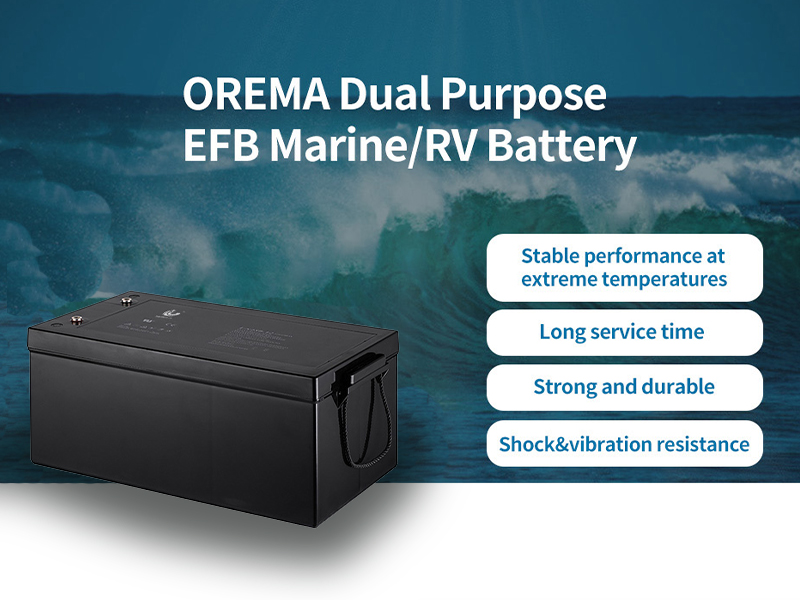
Marine 12V batteries, on the other hand, present a more complex and sophisticated design. They incorporate a combination of thin plates, similar to those found in starter batteries, and thicker, heavier plates characteristic of deep cycle batteries. Deep cycle batteries are renowned for their ability to endure repeated deep discharges and recharges while maintaining a relatively stable voltage output. This makes them ideal for applications where a continuous and steady supply of power is required over an extended period. In the context of marine use, boats and other watercraft demand a battery that can handle both the high starting power needed to start the engine, much like a car starter battery, and also provide reliable power for running various onboard electronics and accessories during long trips. The thin plates in marine batteries contribute to the initial high-current output required for engine ignition, while the thicker plates come into play during the cruising phase. For example, when a boat is out on the water for hours, the thicker plates ensure that there is a consistent power supply to operate navigation lights, fish finders, radios, and other essential equipment without a significant drop in voltage. This hybrid design of marine batteries is a testament to the ingenuity of battery manufacturers in meeting the specific and diverse needs of the marine industry.
To further illustrate the versatility and importance of these plate configurations, consider the case of batteries used in off-grid solar power systems. These batteries are primarily deep cycle in nature, with thicker plates designed to store and release energy over long periods. They are optimized for the slow and steady charging and discharging cycles that occur as solar panels generate electricity during the day and the stored power is used at night or during cloudy days. The plates are engineered to withstand the chemical reactions and physical stresses associated with these cycles, ensuring a long service life and reliable performance. In contrast, batteries used in high-performance electric scooters might have a combination of thinner plates to provide the quick acceleration and bursts of power needed for urban commuting. These batteries are designed to deliver high power in short bursts, allowing the scooter to reach speeds quickly and handle sudden changes in power demand while also being lightweight and compact to fit within the scooter's frame.
In conclusion, the design and combination of lead plates in lead-acid batteries are not one-size-fits-all. Each application, whether it be in automotive, marine, solar, or other industries, demands a specific set of characteristics. The ability to engineer batteries with the right plate thickness and configuration is what enables them to meet these diverse requirements, providing reliable and efficient power sources that are essential for modern life and various forms of transportation and energy storage.