

12V AGM Battery Lawn mower batteries are essential components that power modern landscaping equipment. Whether you have a small residential lawn or manage a large commercial property, understanding the ins and outs of these batteries is crucial for efficient and reliable mowing operations.
Lawn mower is a machine for cutting the grass on a lawn. This machine is commonly used to tidy up the garden and also to clear the fields from grass or other types of grass. The commonly used lawn mowers are made of thin, hard and very sharp iron plates, so they can easily mow the grass.
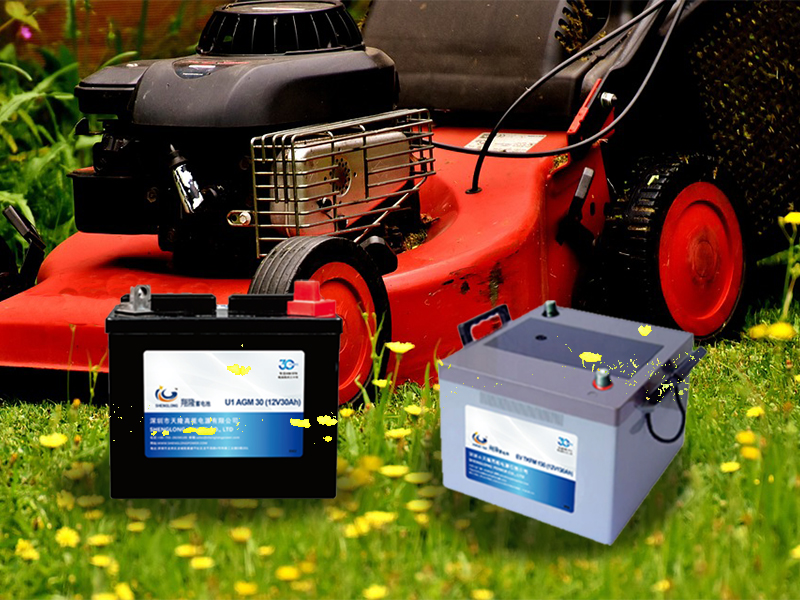
What is 12V AGM Battery Lawn Mower Lithium Battery?
According to its name, we can know that batteries work as core heart in electrical lawn mower. It plays an important role in lawn mower. Manufacturers always install 12V batteries into lawn mower. And lithium batteries replace lead-acid batteries for their self-heating and excellent design. The lithium batteries are offer BMS controlled safety, long life, and lightning-fast charging.
Why Choose Lithium Battery For Lawn Mower?
Lithium battery due to higher operating voltage, smaller size, lighter weight, higher energy, lower self-discharge, longer cycle life no memory effect, no pollution, is the ideal energy carrier in nowadays. Lithium battery which is used in boat is not only a dependable power source, but it is also a green choice for environment because it is composed of recycle materials. Lithium batery is non-toxic and it will not emit any vapor or fumes. For decades, deep-cycle submerged lead-acid batteries have been the most cost-effective means of powering lawn mower. But with the rise of lithium batteries in many high-power applications, many people are now studying the advantages of lithium batteries.
Types of Lawn Mower Batteries
There are primarily two types of batteries used in lawn mowers: lead-acid batteries and lithium-ion batteries. Lead-acid batteries have been around for a long time and are known for their affordability. They are commonly used in traditional push mowers and some riding mowers. However, they are relatively heavy and require regular maintenance, such as checking and topping up the electrolyte levels.
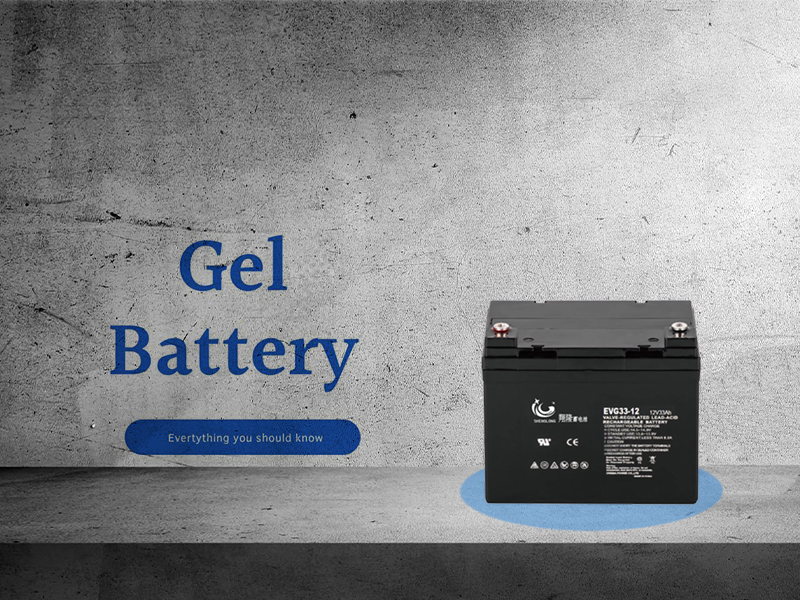
On the other hand, lithium-ion Gel Batteries are becoming increasingly popular due to their numerous advantages. They are lighter in weight, which makes the mower more maneuverable. They also have a longer lifespan and can hold a charge for a longer period. Moreover, lithium-ion batteries charge faster and provide a more consistent power output, resulting in better cutting performance.
Battery Capacity and Voltage
The capacity of a lawn mower Gel Batteries is measured in ampere-hours (Ah). A higher Ah rating indicates that the battery can store more energy and will last longer on a single charge. For small to medium-sized lawns, a battery with a capacity of around 20 - 50 Ah might be sufficient. However, for larger areas or more demanding mowing tasks, a higher capacity battery, such as 80 - 100 Ah, would be more appropriate.
Voltage is another important factor. Most common lawn mower batteries have voltages of 12 volts, 24 volts, or 40 volts. Higher voltage batteries generally provide more power, allowing the mower to handle thicker grass and tougher terrains more easily. For example, a 40-volt lithium-ion battery-powered mower can often cut through dense grass with less effort compared to a 12-volt model.
Charging and Maintenance
Proper charging and maintenance are key to prolonging the life of your lawn mower battery. When charging a lead-acid battery, it is important to use a charger specifically designed for it and follow the manufacturer's instructions. Overcharging or undercharging can damage the battery. Lithium-ion batteries usually come with their own smart chargers that automatically adjust the charging rate to optimize battery health.
For maintenance, lead-acid Gel Batteries may require periodic cleaning of the terminals to prevent corrosion. Checking the water level (if applicable) and ensuring the battery is stored in a cool, dry place also helps. Lithium-ion batteries, on the other hand, require less maintenance but should still be kept clean and protected from extreme temperatures.
Benefits of Using Lawn Mower Batteries
One of the significant benefits is the reduction in noise pollution. Battery-powered mowers are much quieter than their gas-powered counterparts, making them ideal for use in residential areas, especially early in the morning or late in the evening without disturbing the neighbors. They are also more environmentally friendly as they produce zero emissions during operation, contributing to cleaner air and a greener planet.
In addition, the ease of use and instant start-up of battery-powered mowers are appealing. There is no need to deal with the hassle of pulling a starter cord or mixing fuel. Just turn the key or press a button, and the mower is ready to go. This makes them convenient for both amateur gardeners and professional landscapers.
Factors to Consider When Buying
When purchasing a lawn mower Gel Batteries, consider the size of your lawn. If you have a small yard, a lower capacity and voltage battery might be cost-effective. For larger lawns, invest in a more powerful battery to avoid frequent recharging. Compatibility with your existing mower is also crucial. Make sure the battery you choose is designed to fit and work with your specific mower model.
Brand reputation and warranty are other important aspects. Opt for well-known brands that have a track record of producing reliable batteries. A good warranty gives you peace of mind in case of any defects or performance issues.
In conclusion, lawn mower Gel Batteries have come a long way in terms of technology and performance. By understanding the different types, capacities, charging requirements, and maintenance tips, you can make an informed decision when choosing a battery for your lawn mower. Whether you prioritize environmental friendliness, quiet operation, or power and performance, there is a lawn mower battery out there to meet your needs and help you achieve a beautifully manicured lawn.