

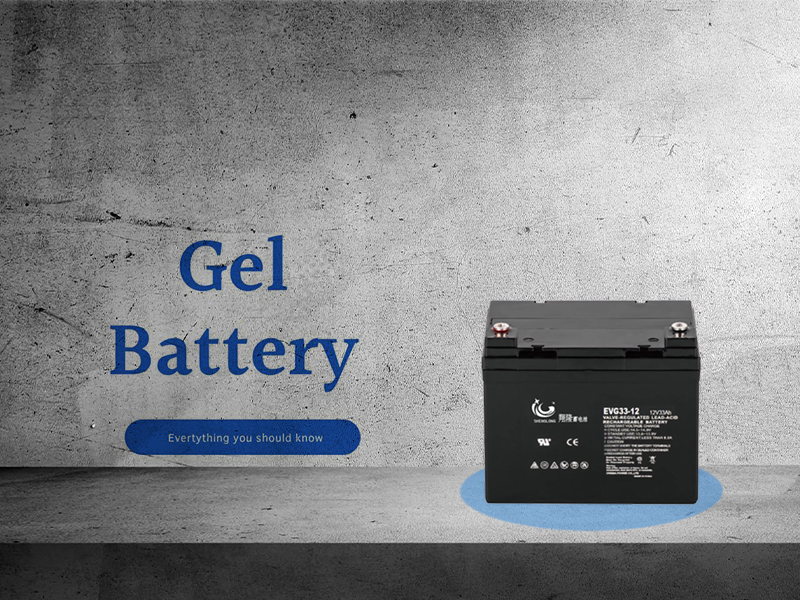
A gel battery is a type of lead-acid battery that uses a gel electrolyte instead of a liquid. The gel is created by mixing sulfuric acid with silica, resulting in a thick, paste-like substance that is more stable and less likely to leak. This design makes gel batteries safer and more durable, making them ideal for various applications, including solar energy systems.
In a gel battery, the gel electrolyte allows for better heat dissipation and reduces the risk of evaporation, extending the battery's lifespan. When the battery discharges, the electrolyte facilitates a chemical reaction between the lead plates and sulfuric acid, generating electricity. During charging, this process is reversed, storing energy in the battery.
The sealed design of gel batteries also minimizes maintenance needs and eliminates the risk of spills, making them a convenient and reliable option. With their robust performance and longevity, solar gel batteries ensure consistent power supply, even during adverse conditions.
Applications in Different Environments
Gel batteries are not only suitable for solar energy systems but also find extensive use in other scenarios. In marine applications, for example, they are highly resistant to the corrosive effects of saltwater. The gel electrolyte acts as an effective barrier against the ingress of seawater, protecting the internal components of the battery. This resistance to corrosion ensures that the battery can maintain its performance over an extended period, even in the harsh marine environment where traditional batteries might quickly degrade.
In RVs (recreational vehicles), gel batteries are favored due to their ability to withstand vibrations. The gel structure provides stability to the internal components during travel on bumpy roads. Additionally, the spill - proof nature of gel batteries makes them a safe choice in an RV environment where space is often limited, and any potential leak could cause significant damage.
Performance under Extreme Temperatures
Gel batteries exhibit remarkable performance under extreme temperature conditions. In cold environments, they have a lower freezing point compared to traditional liquid - electrolyte batteries. This property enables them to continue functioning even when the temperature drops significantly. The gel electrolyte's viscosity remains relatively stable in cold weather, allowing for efficient ion transfer between the plates, which is crucial for generating electricity.
In hot environments, the gel battery's design helps in dissipating heat effectively. The thick gel structure reduces the risk of overheating by slowing down the chemical reactions within the battery to a manageable level. This heat dissipation capability not only protects the battery from damage but also maintains its performance and lifespan during prolonged exposure to high temperatures.
Charging and Discharging Characteristics
When it comes to charging, gel batteries require specific charging parameters. They are sensitive to overcharging, and using an inappropriate charger can lead to damage. A proper charger for gel batteries should have a regulated charging voltage and current to ensure a gentle and efficient charging process. The charging algorithm needs to take into account the gel battery's unique electrochemical properties to avoid overheating and gassing.
During discharging, gel batteries can provide a relatively stable voltage output over a long period. This stable voltage is essential for applications that require a consistent power supply, such as in medical equipment powered by solar energy systems during emergencies. The slow - discharge rate of gel batteries also means that they can hold their charge for longer durations when not in use, reducing the frequency of recharging and enhancing their overall convenience.
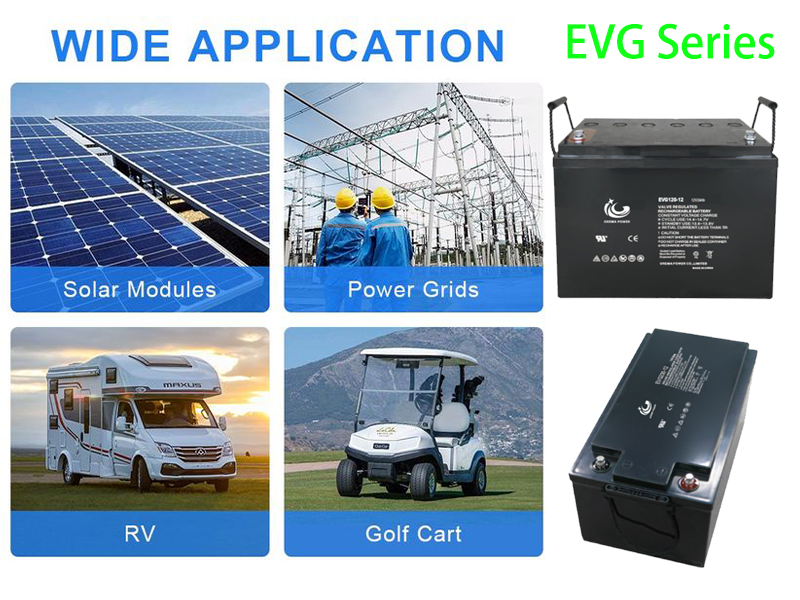
OREMA EVG Series GEL traction batteries feature a "true Gel" traction formula, which not only meets the demanding requirements of aftermarket replacement but also those of Original Equipment batteries. Boasting an extensive history of safety and dependability, these batteries exhibit remarkable longevity, even when subjected to Partial State of Charge (PSOC) operation and high - temperature environments. In fact, GEL Traction Industrial batteries outperform flooded and AGM batteries in terms of deep - discharge recovery, thereby making them the optimal choice for energy storage applications.