

Electrons flow from the negative to the positive when an electrical cable connects the two. Companies today have come up with a way to use the energy created by these moving electrons to run a motor. Since the vehicle’s engine is powered by it, it must deliver enough current to the motor over some time.
Types of electric batteries
• Lithium-ion Battery
• The nickel-metal hydride battery
• Lead-Acid Battery
• The solid-state battery
• The nickel-cadmium battery
Lithium-ion Battery: This is the most widely used electric car battery. The lithium-ion battery was developed in the early 90s and gradually established itself as the leading technology in the transportation and consumer electronics industry. You might already be familiar with it because smaller versions are used in portable devices like mobile phones and laptops.
Nickel-Metal Hydride (NIMH) Battery: Another variant of electric cars is hybrid cars which contain both battery-powered and fuel-powered engines. These cars mainly use NIMH batteries but are also compatible with BEV cars. These kinds of batteries do not require any external power source to charge.
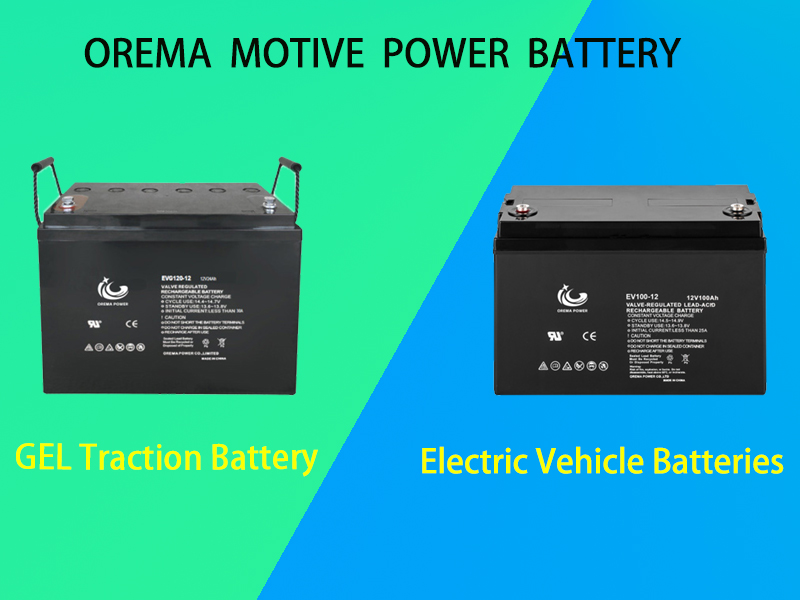
Lead-Acid Battery: SLA, or lead-acid, is one of the oldest rechargeable batteries. The lead-acid battery is still found in many vehicles, those with both combustion and electric engines. Compared to NIMH or lithium batteries, these are much heavier and eventually lose capacity. However, automobile companies still use it mainly because of its cheap pricing.
The solid-state battery: The principle behind it consists of replacing the battery’s liquid electrolyte with a solid material that can take the form of a plastic polymer, compacted inorganic powders, or a mixture of the two. In theory, this technology is all positive: it makes it possible to increase energy density and stability while making temperature control more manageable.
The nickel-cadmium battery: If you used rechargeable batteries in the 90s, you’re already familiar with nickel-cadmium technology. “Ni-Cd” accumulators had plenty of advantages, with significant storage density and a lifespan of around 500 to 1,000 charging cycles. However, they did suffer from the memory effect, a physical phenomenon that sees the battery’s performance decline if it is subject to partial “charge-drain” cycles.
Motive batteries are playing a crucial role in revolutionizing the transportation industry. In electric vehicles (EVs), they are predominantly utilized in passenger cars, presenting a cleaner alternative to traditional internal combustion engines. These batteries provide the necessary power for smooth rides and long distances, making EVs an attractive choice for environmentally conscious consumers. Electric trains also rely on motive batteries as an integral part of their modern systems. They offer efficient and eco-friendly mass transit solutions, reducing emissions and noise pollution. Additionally, in urban areas, motive batteries power electric bicycles and scooters, enabling convenient short-distance travel. They are particularly useful for commuters looking for a quick and sustainable way to get around.
Another important application of motive batteries is in golf carts and utility vehicles. These batteries offer a silent and pollution-free mode of transport, making them ideal for recreational areas and industrial settings. Whether it's transporting golfers around the course or performing tasks in a warehouse, motive batteries provide reliable power. Through these enhanced features and varied uses in different transportation modes, motive batteries are truly leading the charge in the electric mobility revolution. Their ongoing development and improvement are essential for achieving long-term, sustainable transport solutions on a global scale. As technology continues to advance, we can expect motive batteries to become even more efficient, durable, and accessible.