

What is an AGM battery?
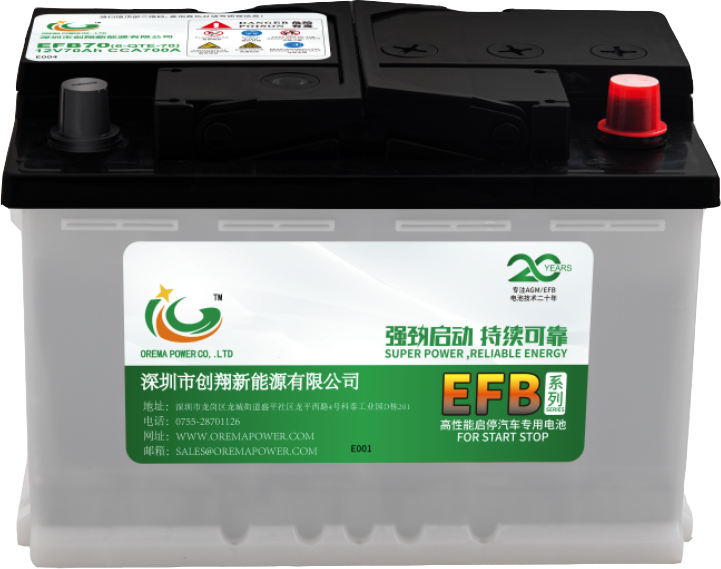
Absorbed Glass Mat (AGM) batteries are designed with fiberglass mats that absorb the electrolyte, unlike traditional batteries where the acid is free-flowing. This structure allows the electrolyte to remain in constant contact with the battery's lead plates, enhancing performance, durability, and resistance to physical shocks. They are sealed, maintenance-free, and do not require topping off, which is beneficial for applications in remote or hard-to-maintain areas. Developed in the 1980s for high-demand applications such as military, aviation, and marine, AGM batteries are now widely used in modern vehicles for their robustness, maintenance-free design, and capability to provide strong starting currents and support electronics for extended periods.
How AGM Batteries Work
AGM (Absorbed Glass Mat) batteries stand out because of their unique construction and performance characteristics, drawing on some common ground with traditional lead-acid batteries but with notable improvements:
Soaking Up the Electrolyte: AGM batteries feature a glass mat that soaks up the battery's acid, preventing any leaks. This makes them easy to care for and allows them to be placed in different positions, even sideways, without worrying about spills.
Handling Gas Inside: Instead of letting gases escape, AGM batteries capture and reuse the gases produced during charging and discharging. This smart process means you don't have to refill the electrolyte, making these batteries less hassle to maintain.
Quick to Charge and Discharge: With lower internal resistance than older lead-acid batteries, AGM batteries can charge up and power down faster. This makes them ideal for equipment that needs a quick energy boost.
The core of AGM battery technology lies in its use of fiberglass mats. These mats absorb the battery's acid, keeping it in close contact with the lead plates inside, which helps protect the battery from damage. This setup boosts the battery's efficiency in storing and releasing energy.
When you use an AGM battery, it operates through a chemical reaction involving lead, sulfuric acid, and water. Using power from the battery moves acid molecules to the lead plates, creating water and lead sulfate. This chemical reaction is reversible-charging the battery reverses this process. AGM batteries have a special valve to stop water, turned into gas during use, from escaping. This helps the battery hold onto its power for longer, ensuring it lasts longer and performs well.
Soaking Up the Electrolyte: AGM batteries feature a glass mat that soaks up the battery's acid, preventing any leaks. This makes them easy to care for and allows them to be placed in different positions, even sideways, without worrying about spills.
Handling Gas Inside: Instead of letting gases escape, AGM batteries capture and reuse the gases produced during charging and discharging. This smart process means you don't have to refill the electrolyte, making these batteries less hassle to maintain.
Quick to Charge and Discharge: With lower internal resistance than older lead-acid batteries, AGM batteries can charge up and power down faster. This makes them ideal for equipment that needs a quick energy boost.
The core of AGM battery technology lies in its use of fiberglass mats. These mats absorb the battery's acid, keeping it in close contact with the lead plates inside, which helps protect the battery from damage. This setup boosts the battery's efficiency in storing and releasing energy.
When you use an AGM battery, it operates through a chemical reaction involving lead, sulfuric acid, and water. Using power from the battery moves acid molecules to the lead plates, creating water and lead sulfate. This chemical reaction is reversible-charging the battery reverses this process. AGM batteries have a special valve to stop water, turned into gas during use, from escaping. This helps the battery hold onto its power for longer, ensuring it lasts longer and performs well.
Additionally, the glass mats inside AGM batteries not only protect the lead plates but also improve how the battery charges and discharges. By evenly spreading the electrolyte throughout the battery, these mats help the battery work efficiently, making it strong, quick to recharge, and durable.
Features and advantages of AGM batteries
AGM (Absorbent Glass Mat) batteries represent a significant advancement in lead-acid battery technology. They offer several benefits over traditional flooded lead-acid batteries, thanks to their unique construction and the materials used. Below is a detailed look at the features of AGM batteries:
Sealed and Maintenance-Free
AGM batteries are completely sealed, eliminating the need for water top-ups. This feature reduces the risk of acid spills and the time spent on maintenance, making them ideal for hard-to-reach or unattended installations.
Spill proof
AGM (Absorbent Glass Mat) batteries incorporate a fiberglass mat that soaks up and retains the electrolyte amidst the plates, effectively keeping the electrolyte in a sponge-like form, thereby stopping it from moving freely. These batteries are also hermetically sealed, which guarantees that in extreme situations, a safety valve discharges extra pressure to avert case breakage instead of permitting leaks.
High Discharge Rate and Efficiency
While AGM batteries are commonly favored for their ability to be deeply cycled, boasting a Depth of Discharge (DoD) up to 80% compared to the traditional flooded battery's 50%, they are equally favored for use in starting applications. This is attributed to their minimal internal resistance, enabling them to deliver high currents swiftly.
Low Self-Discharge Rate
AGM batteries are recognized for their minimal self-discharge rates, typically ranging between 1% and 3% per month. This characteristic allows them to remain in storage for extended periods without the need for frequent recharging, unlike conventional batteries. Furthermore, OREMA batteries demonstrate a remarkable recharge capability, achieving up to 95% or more of their full charge even after a full 30 days of complete discharge.
Longer Lifespan
AGM (Absorbed Glass Mat) batteries maintain the electrolyte in a solid or absorbed form, significantly extending their durability to two or three times that of traditional flooded batteries. With an average lifespan of approximately seven years, AGM batteries are perfectly suited for vehicles equipped with start-stop technology.
Resistant to Vibration and Shock
AGM batteries, with their electrolyte absorbed by separators, offer superior vibration resistance, making them ideal for ATVs and similar vehicles used on rough terrains. Their design prevents spillage and ensures durability against impacts, rendering them a top choice for seasonal Powersports vehicles.
Excellent low temperature performance
AGM batteries perform well in cold climates, maintaining their charge capacity better than traditional batteries. This makes them reliable for winter use in automotive starting and portable power sources in cold environments.
Can Be Installed in Any Orientation
The electrolyte within an AGM (Absorbed Glass Mat) battery is fully absorbed by the separator material, rendering the battery spill-proof and resistant to leaks. Consequently, these batteries offer the flexibility to be mounted in any position, whether it be sideways, upside down, or any other orientation, without the concern of acid spills. This is a distinct advantage over other traditional lead-acid battery types, which require an upright position to prevent leakage.
Almost no gas is produced
AGM batteries utilize a distinct recombination mechanism that effectively manages gas production during their charge and discharge cycles. This process, which is a natural occurrence in all batteries, ensures that the gas generated is reabsorbed internally, instead of being emitted into the environment. Consequently, this significantly reduces the requirement for periodic electrolyte replenishment.
Higher Starting Power
AGM (Absorbent Glass Mat) batteries boast superior starting power, offering 30% to 50% more cranking amps compared to traditional batteries. They deliver enhanced electrical output, facilitating smoother engine startups and supporting extra electronic devices, including touchscreens, backup cameras, and fuel-efficient start-stop systems. This advanced technology ensures a reliable energy supply for a wide array of vehicular electronics, elevating the performance and convenience of modern vehicles.
Versatile and Suitable for Various Applications
AGM batteries stand out for their robustness, capable of enduring vibration and rough handling, showcasing their adaptability for a wide range of uses. Designed for repeated discharge cycles, these batteries excel in both leisure and professional settings. Their key advantages include being maintenance-free, possessing high durability, and offering deep cycle capabilities, making them a top choice for diverse applications.
Safe and Environmentally Friendly
AGM batteries enhance safety by preventing the release of hydrogen gas during charging and discharging, making them environmentally friendly and easily recyclable. They can be recycled at nearly all recycling centers, as well as many automotive retailers and thousands of other locations. Moreover, these batteries are less harmful compared to traditional gel or wet cell batteries, reducing environmental toxicity.
Faster Charging
AGM batteries stand out for their rapid charging capability, reaching full charge up to five times quicker than traditional flooded batteries. This efficiency stems from the use of fiberglass mesh mats saturated with electrolyte, which facilitates a quicker transfer of current compared to a liquid electrolyte solution. As a result, AGM batteries can unleash significant power bursts even when their charge is low. Their lower internal resistance not only enables them to discharge more amps but also to absorb them more swiftly during recharging, distinguishing them from standard batteries in terms of recharging speed and power delivery.
Higher Energy Density
AGM batteries stand out for their ability to store more energy than many alternatives, thanks to their densely packed energy-storing metal plates, yet their energy density does not pose safety concerns as the risk of thermal runaway is virtually nonexistent. Their superior energy density allows them to hold more energy per unit of weight, making them exceptionally suited for applications where minimizing weight and space is crucial, such as in marine or recreational vehicle settings. This combination of safety, efficiency, and compactness renders AGM batteries a preferred choice for a wide range of demanding applications.
Do Not Degrade, Sulfate, or Corrode Easily
Sealed AGM (Absorbent Glass Mat) batteries offer superior durability and spill-proof qualities compared to traditional flooded batteries. In an AGM battery, the electrolyte is immobilized between the plates by a fine fiberglass mat, ensuring consistent contact with the battery's active lead components. This design significantly reduces the risks of sulfation and degradation, making AGM batteries a more reliable and maintenance-free option.
High depth of discharge (DoD)
AGM batteries are highly favored for their deep cycling capabilities, offering an impressive 80% depth of discharge (DoD), in contrast to the traditional flooded batteries which only provide a 50% DoD. Additionally, their popularity extends to applications as starter batteries due to their minimal internal resistance, enabling them to deliver large currents swiftly.
Low internal resistance
AGM batteries are known for their exceptionally low internal resistance, as low as 2%, compared to the 10-15% of new flooded lead-acid batteries. This low resistance enhances voltage output, speeds up charging times, and reduces heat loss during power transmission, making them more efficient and effective in energy storage and usage.
Sealed and Maintenance-Free
AGM batteries are completely sealed, eliminating the need for water top-ups. This feature reduces the risk of acid spills and the time spent on maintenance, making them ideal for hard-to-reach or unattended installations.
Spill proof
AGM (Absorbent Glass Mat) batteries incorporate a fiberglass mat that soaks up and retains the electrolyte amidst the plates, effectively keeping the electrolyte in a sponge-like form, thereby stopping it from moving freely. These batteries are also hermetically sealed, which guarantees that in extreme situations, a safety valve discharges extra pressure to avert case breakage instead of permitting leaks.
High Discharge Rate and Efficiency
While AGM batteries are commonly favored for their ability to be deeply cycled, boasting a Depth of Discharge (DoD) up to 80% compared to the traditional flooded battery's 50%, they are equally favored for use in starting applications. This is attributed to their minimal internal resistance, enabling them to deliver high currents swiftly.
Low Self-Discharge Rate
AGM batteries are recognized for their minimal self-discharge rates, typically ranging between 1% and 3% per month. This characteristic allows them to remain in storage for extended periods without the need for frequent recharging, unlike conventional batteries. Furthermore, OREMA batteries demonstrate a remarkable recharge capability, achieving up to 95% or more of their full charge even after a full 30 days of complete discharge.
Longer Lifespan
AGM (Absorbed Glass Mat) batteries maintain the electrolyte in a solid or absorbed form, significantly extending their durability to two or three times that of traditional flooded batteries. With an average lifespan of approximately seven years, AGM batteries are perfectly suited for vehicles equipped with start-stop technology.
Resistant to Vibration and Shock
AGM batteries, with their electrolyte absorbed by separators, offer superior vibration resistance, making them ideal for ATVs and similar vehicles used on rough terrains. Their design prevents spillage and ensures durability against impacts, rendering them a top choice for seasonal Powersports vehicles.
Excellent low temperature performance
AGM batteries perform well in cold climates, maintaining their charge capacity better than traditional batteries. This makes them reliable for winter use in automotive starting and portable power sources in cold environments.
Can Be Installed in Any Orientation
The electrolyte within an AGM (Absorbed Glass Mat) battery is fully absorbed by the separator material, rendering the battery spill-proof and resistant to leaks. Consequently, these batteries offer the flexibility to be mounted in any position, whether it be sideways, upside down, or any other orientation, without the concern of acid spills. This is a distinct advantage over other traditional lead-acid battery types, which require an upright position to prevent leakage.
Almost no gas is produced
AGM batteries utilize a distinct recombination mechanism that effectively manages gas production during their charge and discharge cycles. This process, which is a natural occurrence in all batteries, ensures that the gas generated is reabsorbed internally, instead of being emitted into the environment. Consequently, this significantly reduces the requirement for periodic electrolyte replenishment.
Higher Starting Power
AGM (Absorbent Glass Mat) batteries boast superior starting power, offering 30% to 50% more cranking amps compared to traditional batteries. They deliver enhanced electrical output, facilitating smoother engine startups and supporting extra electronic devices, including touchscreens, backup cameras, and fuel-efficient start-stop systems. This advanced technology ensures a reliable energy supply for a wide array of vehicular electronics, elevating the performance and convenience of modern vehicles.
Versatile and Suitable for Various Applications
AGM batteries stand out for their robustness, capable of enduring vibration and rough handling, showcasing their adaptability for a wide range of uses. Designed for repeated discharge cycles, these batteries excel in both leisure and professional settings. Their key advantages include being maintenance-free, possessing high durability, and offering deep cycle capabilities, making them a top choice for diverse applications.
Safe and Environmentally Friendly
AGM batteries enhance safety by preventing the release of hydrogen gas during charging and discharging, making them environmentally friendly and easily recyclable. They can be recycled at nearly all recycling centers, as well as many automotive retailers and thousands of other locations. Moreover, these batteries are less harmful compared to traditional gel or wet cell batteries, reducing environmental toxicity.
Faster Charging
AGM batteries stand out for their rapid charging capability, reaching full charge up to five times quicker than traditional flooded batteries. This efficiency stems from the use of fiberglass mesh mats saturated with electrolyte, which facilitates a quicker transfer of current compared to a liquid electrolyte solution. As a result, AGM batteries can unleash significant power bursts even when their charge is low. Their lower internal resistance not only enables them to discharge more amps but also to absorb them more swiftly during recharging, distinguishing them from standard batteries in terms of recharging speed and power delivery.
Higher Energy Density
AGM batteries stand out for their ability to store more energy than many alternatives, thanks to their densely packed energy-storing metal plates, yet their energy density does not pose safety concerns as the risk of thermal runaway is virtually nonexistent. Their superior energy density allows them to hold more energy per unit of weight, making them exceptionally suited for applications where minimizing weight and space is crucial, such as in marine or recreational vehicle settings. This combination of safety, efficiency, and compactness renders AGM batteries a preferred choice for a wide range of demanding applications.
Do Not Degrade, Sulfate, or Corrode Easily
Sealed AGM (Absorbent Glass Mat) batteries offer superior durability and spill-proof qualities compared to traditional flooded batteries. In an AGM battery, the electrolyte is immobilized between the plates by a fine fiberglass mat, ensuring consistent contact with the battery's active lead components. This design significantly reduces the risks of sulfation and degradation, making AGM batteries a more reliable and maintenance-free option.
High depth of discharge (DoD)
AGM batteries are highly favored for their deep cycling capabilities, offering an impressive 80% depth of discharge (DoD), in contrast to the traditional flooded batteries which only provide a 50% DoD. Additionally, their popularity extends to applications as starter batteries due to their minimal internal resistance, enabling them to deliver large currents swiftly.
Low internal resistance
AGM batteries are known for their exceptionally low internal resistance, as low as 2%, compared to the 10-15% of new flooded lead-acid batteries. This low resistance enhances voltage output, speeds up charging times, and reduces heat loss during power transmission, making them more efficient and effective in energy storage and usage.