

Hello to all energy enthusiasts and inquisitive learners! We're venturing into the fascinating realm of lead-acid batteries, a cornerstone in the world of energy solutions. These reliable powerhouses play a vital role in our daily lives, from igniting engines to illuminating our homes during blackouts. Understanding the proper storage of these batteries is more than just optimizing their efficiency – it's key to ensuring their safe and prolonged use. Join us as we explore the critical aspects of lead-acid battery storage, a journey rich with insights and practical knowledge!
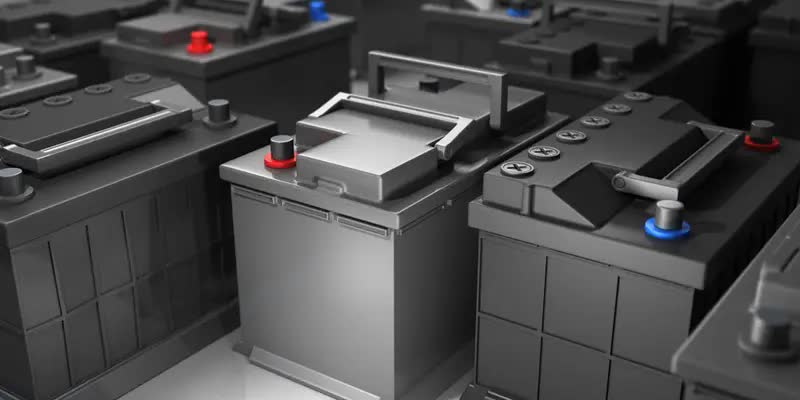
What are the requirements for lead-acid battery storage
Lead-acid batteries, known for their reliability and cost-effectiveness, come with specific storage needs. The primary requirements include:
Temperature Control: Excessive heat accelerates degradation, while extreme cold can lead to freezing. Ideal storage temperatures vary, but generally, a cool, stable environment is key.
Ventilation: Lead-acid batteries emit gases. Adequate ventilation is vital to prevent gas accumulation and ensure safety.
Orientation: Store batteries upright to prevent leakage and internal damage.
State of Charge: A partially charged state helps mitigate self-discharge and extends shelf life.
Temperature Control: Excessive heat accelerates degradation, while extreme cold can lead to freezing. Ideal storage temperatures vary, but generally, a cool, stable environment is key.
Ventilation: Lead-acid batteries emit gases. Adequate ventilation is vital to prevent gas accumulation and ensure safety.
Orientation: Store batteries upright to prevent leakage and internal damage.
State of Charge: A partially charged state helps mitigate self-discharge and extends shelf life.
Maintenance Charging: Periodic charging is essential to counteract self-discharge, especially for long-term storage.
What is the storage temperature of the sealed lead acid battery
Sealed lead acid batteries, a subset of lead-acid batteries, require careful temperature management. The ideal storage temperature range is typically between 5°C and 25°C (41°F to 77°F). However, variations exist based on specific battery types and manufacturers' recommendations. Consistency in temperature is key to prevent damage and maintain battery health.
How to store lead acid batteries safely
Safety in storage is paramount. Here's how to ensure it:
Avoid Extreme Temperatures: Store batteries in a temperature-controlled environment.
Separation: Keep batteries away from flammable materials and metal objects that could cause short circuits.
Inspection: Regularly check for corrosion or leakage.
Avoid Extreme Temperatures: Store batteries in a temperature-controlled environment.
Separation: Keep batteries away from flammable materials and metal objects that could cause short circuits.
Inspection: Regularly check for corrosion or leakage.
Protective Gear: Handle with gloves and eye protection to avoid acid contact.
How long do lead acid batteries last in storage
The longevity of a lead-acid storage battery during storage hinges primarily on its state of charge and the conditions of its storage environment. Typically, a SLA battery can sustain up to six months in storage before requiring a recharge. This timeframe, however, is not fixed and can vary considerably.
The impact of temperature on a lead-acid battery in storage is significant. Extreme temperatures, either too hot or too cold, can accelerate the self-discharge rate of the battery. Ideally, storing batteries in a cool, stable environment helps in preserving their charge and health.
Another crucial factor is the initial state of charge of the battery. Storing a battery that's fully charged is advisable as it counteracts the natural discharge that batteries undergo over time. Conversely, storing a battery with a low charge can lead to sulfation, a condition where lead sulfate crystals form on the battery plates, potentially causing permanent damage.
The age and overall condition of the battery also play a role in its storage lifespan. Older batteries, or those that have been cycled (charged and discharged) many times, may have a reduced capacity and may not hold a charge as well as newer batteries.
The impact of temperature on a lead-acid battery in storage is significant. Extreme temperatures, either too hot or too cold, can accelerate the self-discharge rate of the battery. Ideally, storing batteries in a cool, stable environment helps in preserving their charge and health.
Another crucial factor is the initial state of charge of the battery. Storing a battery that's fully charged is advisable as it counteracts the natural discharge that batteries undergo over time. Conversely, storing a battery with a low charge can lead to sulfation, a condition where lead sulfate crystals form on the battery plates, potentially causing permanent damage.
The age and overall condition of the battery also play a role in its storage lifespan. Older batteries, or those that have been cycled (charged and discharged) many times, may have a reduced capacity and may not hold a charge as well as newer batteries.
Regular monitoring and maintenance during storage are key. Checking the battery`s charge status periodically and recharging it as needed can significantly extend its storage lifespan. This proactive approach not only maintains the battery in optimal condition but also helps in identifying potential issues before they lead to battery failure.
How to store lead-acid batteries long term
For long-term storage, consider these steps:
Initial Preparation: Fully charge the battery before storage.
Regular Monitoring: Check the charge every 3 to 6 months.
Optimal Environment: Store in a cool, dry place away from direct sunlight.
Use a Battery Maintainer: This device keeps the battery at optimal charge levels.
Whether you're a specialist in the energy industry or just keenly interested, grasping the complexities of storing lead-acid batteries is crucial. Following these principles ensures their safe, efficient use, and prolongs their lifespan. Proper storage practices are key not only to extending battery life but also to fostering a safer, more eco-friendly world. Continue your exploration, prioritize safety, and allow your thirst for knowledge to guide your journey!
Initial Preparation: Fully charge the battery before storage.
Regular Monitoring: Check the charge every 3 to 6 months.
Optimal Environment: Store in a cool, dry place away from direct sunlight.
Use a Battery Maintainer: This device keeps the battery at optimal charge levels.
Whether you're a specialist in the energy industry or just keenly interested, grasping the complexities of storing lead-acid batteries is crucial. Following these principles ensures their safe, efficient use, and prolongs their lifespan. Proper storage practices are key not only to extending battery life but also to fostering a safer, more eco-friendly world. Continue your exploration, prioritize safety, and allow your thirst for knowledge to guide your journey!