

Lead-acid batteries, known for their reliability and cost-effectiveness, are widely used in various applications from vehicles to backup power systems. However, an important aspect to consider in their operation is the risk of thermal runaway – a potentially dangerous phenomenon. In this blog post, we'll delve into what thermal runaway in lead-acid batteries is, its causes, hazards, and how to prevent it.
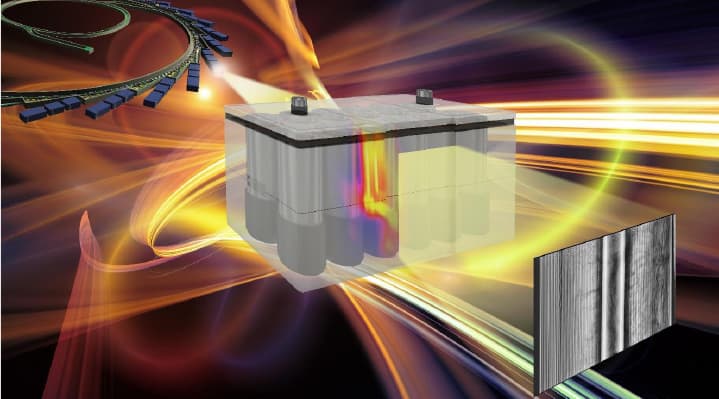
What is Lead Acid Battery Thermal Runaway?
Thermal runaway in lead acid storage batteries is a self-accelerating process where the heat generated within the battery exceeds its ability to dissipate it. This situation leads to an increase in the internal temperature of the battery, which then causes more heat to be generated. It`s a dangerous cycle that can result in damage to the battery, and in severe cases, lead to fire or explosion.
The internal structure of a lead-acid battery is such that it contains lead plates submerged in a sulfuric acid electrolyte. The chemical reactions that occur during charging and discharging are exothermic (they release heat). Normally, this heat is safely dissipated. However, under certain conditions, the rate of heat generation can surpass the rate of heat dissipation, leading to thermal runaway.
The internal structure of a lead-acid battery is such that it contains lead plates submerged in a sulfuric acid electrolyte. The chemical reactions that occur during charging and discharging are exothermic (they release heat). Normally, this heat is safely dissipated. However, under certain conditions, the rate of heat generation can surpass the rate of heat dissipation, leading to thermal runaway.
What Causes Thermal Runaway in VRLA Batteries?
Several factors can contribute to thermal runaway in lead-acid batteries:
Overcharging: Continuously charging the SLA battery at a high voltage causes excessive heat generation. Over time, this can degrade the battery`s internal components, making it more susceptible to thermal runaway.
High Ambient Temperatures: Batteries operating in high-temperature environments are at a greater risk. The external heat adds to the internal heat generated by the battery, speeding up the thermal runaway process.
Internal Short Circuits: Faulty or damaged batteries can develop internal short circuits. These shorts can cause localized heating, which, if not controlled, can trigger thermal runaway.
Sulfation: When batteries are left discharged for long periods, lead sulfate crystals form on the plates, which can cause short circuits and excessive heat during charging.
The Hazards of VRLA Battery Thermal Runaway
The consequences of thermal runaway in lead-acid batteries can be severe:
Fire and Explosion: The most immediate risk is the potential for fire or explosion, especially if the battery case ruptures and the flammable gases inside are exposed to the air.
Release of Toxic Gases: Lead-acid batteries contain sulfuric acid and can produce hydrogen gas. In the event of thermal runaway, these toxic and corrosive substances can be released into the environment.
Damage to Equipment and Facilities: A thermal runaway event can cause significant damage to the battery itself, the equipment it powers, and the surrounding facilities.
Fire and Explosion: The most immediate risk is the potential for fire or explosion, especially if the battery case ruptures and the flammable gases inside are exposed to the air.
Release of Toxic Gases: Lead-acid batteries contain sulfuric acid and can produce hydrogen gas. In the event of thermal runaway, these toxic and corrosive substances can be released into the environment.
Damage to Equipment and Facilities: A thermal runaway event can cause significant damage to the battery itself, the equipment it powers, and the surrounding facilities.
How to Prevent SLA Battery Thermal Runaway
Preventing thermal runaway requires a proactive approach:
Proper Charging Practices: Use a charger that's compatible with your battery and follow the manufacturer`s charging guidelines. Avoid overcharging and ensure the charger has a function to prevent it.
Regular Maintenance: Regularly check the battery`s state of charge, clean the terminals, and ensure the electrolyte levels are correct. Inspection can help identify potential issues before they lead to thermal runaway.
Temperature Monitoring: Install temperature sensors to monitor the battery's temperature. If the temperature exceeds a safe threshold, steps can be taken to cool the battery or cease its operation.
Adequate Ventilation: Ensure the storage battery is operating in a well-ventilated area. This helps in dissipating the heat effectively.
Replacing Old Batteries: Batteries degrade over time. Regular testing and timely replacement of old batteries can prevent many issues, including thermal runaway.
In conclusion, while sealed lead acid batteries are an essential component in many systems, understanding and mitigating the risks associated with thermal runaway is crucial for safe operation. By being aware of the causes, recognizing the hazards, and implementing preventive measures, we can ensure these batteries continue to be a reliable and safe power source. The key to preventing thermal runaway lies in careful monitoring, regular maintenance, and adherence to safety protocols. Stay informed, stay safe!
Proper Charging Practices: Use a charger that's compatible with your battery and follow the manufacturer`s charging guidelines. Avoid overcharging and ensure the charger has a function to prevent it.
Regular Maintenance: Regularly check the battery`s state of charge, clean the terminals, and ensure the electrolyte levels are correct. Inspection can help identify potential issues before they lead to thermal runaway.
Temperature Monitoring: Install temperature sensors to monitor the battery's temperature. If the temperature exceeds a safe threshold, steps can be taken to cool the battery or cease its operation.
Adequate Ventilation: Ensure the storage battery is operating in a well-ventilated area. This helps in dissipating the heat effectively.
Replacing Old Batteries: Batteries degrade over time. Regular testing and timely replacement of old batteries can prevent many issues, including thermal runaway.
In conclusion, while sealed lead acid batteries are an essential component in many systems, understanding and mitigating the risks associated with thermal runaway is crucial for safe operation. By being aware of the causes, recognizing the hazards, and implementing preventive measures, we can ensure these batteries continue to be a reliable and safe power source. The key to preventing thermal runaway lies in careful monitoring, regular maintenance, and adherence to safety protocols. Stay informed, stay safe!