

Power Wheels are a beloved choice among toys for children aged three and older, offering a range of battery-powered vehicles like cars, trucks, and motorcycles for the young ones to enjoy. These miniature vehicles rely heavily on their battery for operation, making the health, charging efficiency, and lifespan of the battery crucial components to ensure kids get the most out of their riding experience. Given the significance of the battery in the operation of Power Wheels, there are several key points to consider, such as how to ascertain if the battery is in good condition, charging as expected, and recognizing when it's time for a replacement. This ensures that the Power Wheels can provide enduring fun and mobility.

What kind of battery does a power wheel use
Power Wheels predominantly use 12V sealed lead acid batteries. These SLA batteries are chosen for their balance between cost, reliability, and performance. Lead-acid batteries are robust and capable of delivering the high current required by Power Wheels motors. Compared to lithium-ion batteries, they are more cost-effective, though they are heavier and have a lower energy density. Understanding these differences is crucial when considering battery replacement or upgrades.Can I use any 12v battery in a power wheel
It's tempting to think any 12V battery would suffice for a Power Wheel, but this isn't always safe or effective. Power Wheels are designed for specific battery types, not just in terms of voltage but also in terms of size, capacity, and power output. Using a non-standard battery can lead to performance issues or even safety hazards. Additionally, using third-party batteries may void warranties or fail to comply with certain safety standards.How long does a power wheel battery last?
The lifespan of a Power Wheels battery, with attentive care and maintenance, generally ranges from one to four years. This duration can fluctuate based on the type of battery and its usage conditions. For standard Power Wheels batteries, the average is about one to three years, but with high-performance or specialized batteries, this could either extend due to superior quality and capacity or decrease if designed for more intensive use.To ensure the maximum longevity of your Power Wheels battery, it is crucial to follow proper maintenance practices. Manufacturers recommend charging the battery for the advised duration-18 hours initially and never exceeding 30 hours-to prevent overcharging. It's important to avoid short-circuiting the battery's terminals and running the battery completely flat before recharging, as these actions can cause irreversible damage.
Regular charging is recommended before storing the vehicle and at least once every month during periods of inactivity, such as winter months. Storing the battery in a cool, dry place away from extreme temperatures also contributes to its lifespan.
By adhering to these guidelines, which can often be found in the owner`s manual, you can significantly enhance the performance and extend the life of your Power Wheels battery.
How long should I charge my power wheel battery
When you bring home a new Power Wheel toy, understanding the correct charging time for its battery is crucial for maintaining its health and longevity. For the first charge, it's essential to plug in the battery for a minimum of 18 hours but not exceed 30 hours. This initial long charge ensures the battery's optimal performance in the future. After this first charge, each subsequent charging should last for 14 hours, regardless of how much the toy has been used. Adhering to this charging schedule is vital to prevent overcharging or undercharging, which can negatively impact the battery's capacity and lifespan.To properly charge your Power Wheel battery, start by connecting the charger to the battery socket, often located under the hood of the toy. Then, plug the charger into a standard wall outlet, ensuring the outlet is switched off before making the connection. Once everything is plugged in, turn the outlet on and begin charging, using a timer to track the charging duration accurately. This method helps ensure the battery charges for only the recommended time, preventing damage. Once the charging time is complete, disconnect the charger from the battery and then from the wall outlet.
Following these guidelines not only helps in getting the best performance out of your Power Wheel battery but also extends its life, saving you the trouble and expense of frequent replacements. Whether it's the first charge or regular recharging after use, always stick to the recommended charging times to keep the battery in prime condition.
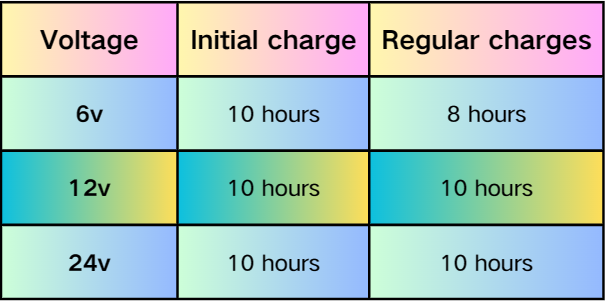
Why charge power wheels battery for 18 hours
Charging a Power Wheel battery for 14-18 hours upon the initial charge is crucial due to its lead-acid composition, which inherently charges more slowly than the lithium-ion batteries found in many of today's gadgets. This extended charging time is necessary to ensure a full and deep charge, essential for the battery's health and longevity. Adhering to this recommended charging duration prevents undercharging, where the battery fails to reach its optimum capacity, potentially diminishing its performance and lifespan. Similarly, overcharging by leaving the battery connected to the charger beyond the advised timeframe can be just as detrimental, leading to reduced ability to retain charge over time and quicker depletion with subsequent uses. Utilizing a timer during charging can safeguard against overcharging, thereby optimizing the battery`s charge cycle and maintaining its efficiency for more consistent performance. Neglecting the recommended 18-hour charging guideline can lead to premature battery failure, affecting both the operational lifespan of the battery and the overall enjoyment of your Power Wheel, making it a practice best avoided to ensure the toy's reliability and the longevity of its battery.
How do I charge a power wheel battery without the charger?
If you've lost the original charger for your Power Wheel battery, a practical solution is to use a standard 12V charger, ensuring it matches the battery's specifications for voltage and current. It's crucial to select a charger certified for safety with AGM batteries and closely monitor the charging process to avoid overheating or overcharging. Set a timer to mimic the original charger's typical charging cycle and check the battery regularly for any signs of distress. This approach allows for a safe and efficient charging process, keeping the fun going without the original charger.At what voltage can a 12v power wheel battery be considered fully charged?
A fully charged 12V Power Wheel battery typically shows a reading of about 12.6-12.8 volts. If the voltage drops below 12 volts, it's a sign that the battery needs to be recharged. Using a multimeter to check the voltage can help you understand the battery's charge level and overall health. Regularly monitoring the voltage can prevent the risks associated with overcharging and undercharging.How do I upgrade my Power Wheel battery?
Enhancing your Power Wheel's battery is an effective way to improve its performance and increase the duration of your child's playtime. As an expert in this field, let me guide you through a more detailed approach to upgrading the battery, ensuring you make informed decisions and execute the upgrade safely and effectively.1. Selecting the Right Battery:
Capacity Consideration: Choose a battery with a higher Ah (ampere-hour) rating. This number reflects the battery's energy storage capacity. A higher Ah means the battery can power the Power Wheel for a longer period on a single charge.
Compatibility Check: It's crucial that the new battery you select is compatible with your Power Wheel's existing electrical system. This includes ensuring the voltage is the same (usually 12V for most Power Wheels).
2. Sizing and Fit:
Measure for Fit: Before purchasing, measure the battery compartment of your Power Wheel. The new battery should fit within these dimensions without the need for forceful adjustments.
Connector Compatibility: Check the type of connectors that your Power Wheel uses and ensure the new battery has matching connectors. If not, you may need to purchase adapters or modify the connectors.
3. Installation:
Safety Precautions: Begin by disconnecting the Power Wheel from any power sources and safely removing the existing battery.
Secure Installation: Place the new battery in the compartment, ensuring it sits securely. A stable battery is essential for safety during the vehicle's operation.
Correct Connection: Connect the new battery, paying close attention to the positive and negative terminals. Incorrect connections can lead to electrical faults or damage.
Safety Test: Before letting your child use the upgraded Power Wheel, test it yourself. Look out for any unusual sounds or performance issues, which could indicate a problem with the installation.
Regular Checks: After upgrading, it`s important to regularly check the battery`s performance and adhere to the new charging requirements. Upgraded batteries might have different maintenance needs compared to the original ones.
How Do I Know if My Power Wheels Battery Is Bad?
Determining if your Power Wheels battery requires replacement can be straightforward if you know what signs to look for. Typically, these batteries have a lifespan of 1 to 3 years, which varies based on usage frequency. When a battery reaches the end of its lifecycle, you might observe a noticeable decrease in its performance. However, there are occasions when a battery might cease functioning abruptly before its expected end of life, failing to power the toy despite being charged overnight.To accurately diagnose a battery's condition, employing a digital voltmeter is an efficient method. This tool is essential for confirming whether the battery holds any charge. If you're considering testing the battery yourself, here's a concise guide:
Ensure the battery was charged for a sufficient duration, keeping in mind that Power Wheels batteries may require up to 18 hours of charging.
Identify the battery's positive and negative terminals.
Set your multimeter to the 20-volt setting for a precise reading within the 0-20 volt range.
Connect the multimeter's positive (red) probe to the positive terminal and the negative (black) probe to the negative terminal.
A reading below 11.8 volts indicates the battery is underperforming and likely needs replacement, attributing to either aging or a defect. This scenario is common since Power Wheels batteries do not have a long lifespan.
Moreover, you could consider using a smart charger to attempt rejuvenating the battery. Although these chargers can be expensive, borrowing one might help extend your battery's life.
There are several key indicators that suggest a battery replacement is necessary:
The battery delivers significantly reduced ride times, typically around 5 to 10 minutes.
It has remained unused for over a year.
Visible physical damage is present, such as cracks in the case or bulging sides.
A voltage test shows a reading of 10 volts or lower.
Paying attention to these signs will help you determine when it's time to replace your Power Wheels battery, ensuring uninterrupted fun for the toy's user.
Power Wheel Battery Testing Tips
To effectively assess the condition of your Power Wheels battery and charger, you'll need a reliable volt meter. Both digital and needle-style meters are suitable for this task, with digital meters recommended for their precision in reading voltage levels.
Preparation Steps:
Before embarking on the testing process, it's crucial to charge the Power Wheels battery for a full 8 hours. This charging duration ensures the battery is fully energized, setting the stage for an accurate assessment of its condition.
Conducting the Battery and Charger Test:
With the battery adequately charged, initiate the test by identifying the positive and negative terminals on the Power Wheels battery. Adjust your volt meter to the DC voltage setting, specifically at the 20 mark for a detailed reading on 12-volt systems. For the battery test, connect the volt meter's red probe to the positive terminal and the black probe to the negative terminal, recording the voltage displayed.
Repeat a similar procedure for the charger by plugging it into an AC outlet and testing its output voltage with the meter probes. Charger voltages typically fluctuate slightly, which is expected behavior.
Analyzing Test Results:
Charger Output: A functional Power Wheels charger should deliver between 13.5 to 14.5 volts. Deviations from this range indicate a need for replacement, as an ineffective charger can harm the battery's lifespan and performance.
Battery Voltage Analysis:
Above 12.6 volts: Signifies a fully charged battery. However, if the battery fails to power the vehicle for a reasonable duration, its capacity may have diminished due to age or prolonged storage.
Between 11.8 and 12.6 volts: This range suggests the battery is declining, likely due to sulfation-a buildup of crystals on the negative plates that reduces capacity and charge acceptance. While smart chargers might restore some capacity, replacement is often a more cost-effective solution.
Below 11.8 volts: Indicates a significant failure, possibly due to a "dropped cell," which necessitates battery replacement.
Additional Testing Method for Power Wheels:
For a thorough evaluation, remove the battery's surface charge before testing, as it can skew results. Conduct a load test by applying a load equal to half the battery's cold-cranking amps rating for 15 seconds, ensuring the battery is at least 75% charged. Use a voltmeter to check the voltage after connecting its leads to the respective battery terminals, aiming for a reading between 12.4 and 12.7 volts to confirm the battery's health.