

A reliable battery is crucial for a backup generator as it ensures uninterrupted power supply during outages. When it comes to selecting the best battery, sealed lead acid batteries are a popular choice for backup generators. These SLA Batteries are known for their durability, ability to deliver high current, and their ability to withstand deep discharges.
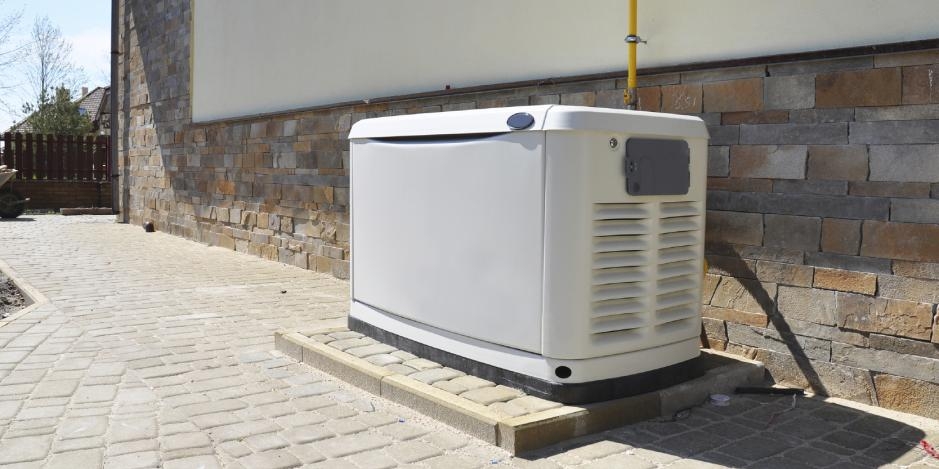
What is the best type of battery for a generator?
Lead-acid batteries are the go-to choice for a broad swath of generators. They come in two flavors: the set-it-and-forget-it maintenance-free version, and the traditional type that demands regular TLC with distilled water top-ups.
If you're willing to spend a bit more, lithium-ion batteries might catch your fancy with their superior lifespan, efficiency, and minimal self-discharge rates compared to their lead-acid cousins.
Then there's the rugged nickel-cadmium option, built to endure the whims of Mother Nature's temperature tantrums, albeit at the cost of capacity and a heavier environmental footprint.
Picking the perfect battery partner for your generator is a bit of a balancing act, influenced by:
The muscle and might of your generator. The beefier the generator, the more robust a battery it will demand-think along the lines of the hefty 4D or 8D batteries.
How and how often you plan to use your generator. For the occasional emergency backup, a battery that doesn't blink at cold snaps and idle stretches-like lithium-ion or nickel-cadmium-might be your best bet. On the flip side, if your generator is more of a daily workhorse, a lead-acid battery's resilience to frequent charge cycles could serve you well.
Weigh the trade-offs between convenience and cost. Maintenance-free batteries might save you from hassle and rust, but they'll dig deeper into your wallet and be a pain to replace. Lithium-ion batteries, while pricier upfront than lead-acid or nickel-cadmium alternatives, earn their keep with longer lifespans and less fuss over upkeep.
| Battery Type | Pros | Cons |
| Lead-Acid (Maintenance-Free) | No maintenance required, Convenient | More expensive, Difficult to replace |
| Lead-Acid (Traditional) |
Cost-effective, Durable for frequent charge cycles |
Requires regular maintenance, Risk of corrosion |
| Lithium-Ion | Superior lifespan, Efficient with minimal self-discharge | Higher upfront cost, Requires careful handling |
| Nickel-Cadmium | Performs well in extreme temperatures, Durable | Environmental concerns, Lower capacity |
Frequency of Generator Battery Replacement
Signs Indicating the Need for Battery Replacement
1.Insufficient power: If your generator fails to start or struggles to deliver sufficient power during an outage, it could be a sign of a weak battery.
2.Slow cranking: If the generator takes longer to start or makes unusual sounds during startup, it might indicate a failing battery.
Factors to Consider When Choosing a Generator Battery
Power Capabilities: Understanding Output and Capacity
The efficiency and power of a generator are influenced by its size and the battery's capacity. It's essential to find a balance between smaller generators, which are more fuel-efficient but may offer limited power, and larger ones, which can deliver more power but may use more fuel and demand more from the battery. A size generator tool can be invaluable in finding the ideal match for your needs.
Ensuring Compatibility with Your Generator
Key considerations for ensuring a battery is compatible with your generator include:
Maintenance and fueling needs
Compatibility with your UPS (Uninterruptible Power Supply) system
Sufficient battery capacity to meet your power needs when fully charged
Budget Considerations: Finding a Cost-Effective Solution
In summary, the key to selecting the right generator battery lies in balancing the cost against the power requirements and ensuring compatibility with your generator's model and specifications.
Generator Battery Maintenance and Care
Routine Check-ups and Cleansing Rituals
A close look at the alternator/generator belt for any signs of deterioration
A careful inspection of the battery terminals
A scrutiny for any damage or wear on the battery and its connections
A check on the battery's water level
To maintain your battery's prime condition, embrace the following regimen:
Begin with a simple wipe-down using a moist cloth to banish dust, oil, and any accumulated white residue.
For more stubborn grime, employ a concoction of baking soda and water or opt for a dedicated cleaning solution on the terminals and connections.
Post-cleaning, ensure the battery's water level is adequately replenished.
To ward off corrosion in the future, a slender layer of petroleum jelly on terminals and connections works wonders.
| Step | Details |
| Inspect Alternator/Generator Belt | Look for any signs of deterioration. |
| Inspect Battery Terminals | Carefully inspect for any corrosion or damage. |
| Check Battery and Connections | Scrutinize for any damage or wear. |
| Check Battery's Water Level | Ensure the water level is adequate. |
| Wipe-down with Moist Cloth | Remove dust, oil, and white residue. |
| Use Baking Soda and Water or Cleaning Solution | For stubborn grime on terminals and connections |
| Replenish Battery's Water Level | Post-cleaning, check and replenish as needed |
| Apply Petroleum jelly on Terminals | Prevent future corrosion. |
Ideal Storage Practices
During the chillier seasons, keeping generator batteries dry and charged is paramount. If combating extreme cold or implementing proper measures proves challenging, opting to house the generator indoors or within a warmed environment is recommended.
Can i use a car battery for my generator?
Check that the standby generator operates on the same 12V as the battery. Most do.
Car batteries are meant for starting, not prolonged power. A small generator may work, but bigger ones could drain it fast.
Use proper cables and secure connections so it's safe.
Only use it if the battery is fully charged to avoid damage.
Regular deep discharging from a generator may shorten the battery's life over time.
For ongoing generator use, a deep cycle battery would be a better fit. They're made to safely handle repeated discharging without issues.
If just needing backup power occasionally, the car battery could work. But do replace it with a deep cycle version when possible for reliability. And as always, safety first consult experts if you have any concerns. With the right precautions, it can get the job done in a pinch.